Thanksgiving in February

I spent a lot of today wrestling a very large bird with the help of my gallant chef friend Matt. As I write I’m watching it’s epic, rounded back browning in my oven like a very suntanned whale, barely contained in its baking dish. Soon I have to get up and steam some broccoli and make salad so we can eat this thing like civilized people.

But Gowan, you might ask. Why are you roasting a turkey in February?

The answer, my friends, is because a drunk man crashed his car into a telephone pole, and my chickens are jerks.

….Some clarification might be needed.

On Saturday, an intoxicated man ran into a power pole, causing outages all over the coast, including my farm. Thankfully he didn’t kill anyone. We have a back-up generator, and when I got to work for a work day with an Americorps team, (after buying my first paper cup in months- containing hot water to which I added honey and citrus) the lights were on in the barn and everything seemed fine. With ten people digging strawberry beds and many many moving parts to attend to, I didn’t think anymore of it.

Americorps rocks!
Americorps rocks!

Until this morning. When my butt-face chickens came into the equation.

You might remember that a few blog posts back I mentioned that I got a handful of rare breed hens in an assortment that had proven to be difficult? That is, determined to make my life hell by flying like homing pigeons into my hoop house despite multiple wing tip cutting, bribing with treats, threats and tears? Yeah. I still catch them by the feet every morning, put them in a covered run, and let them out at dusk every night. They were reported to be good layers, which is the only reason this has gone on for so long.

This morning, one of them laid her first egg.
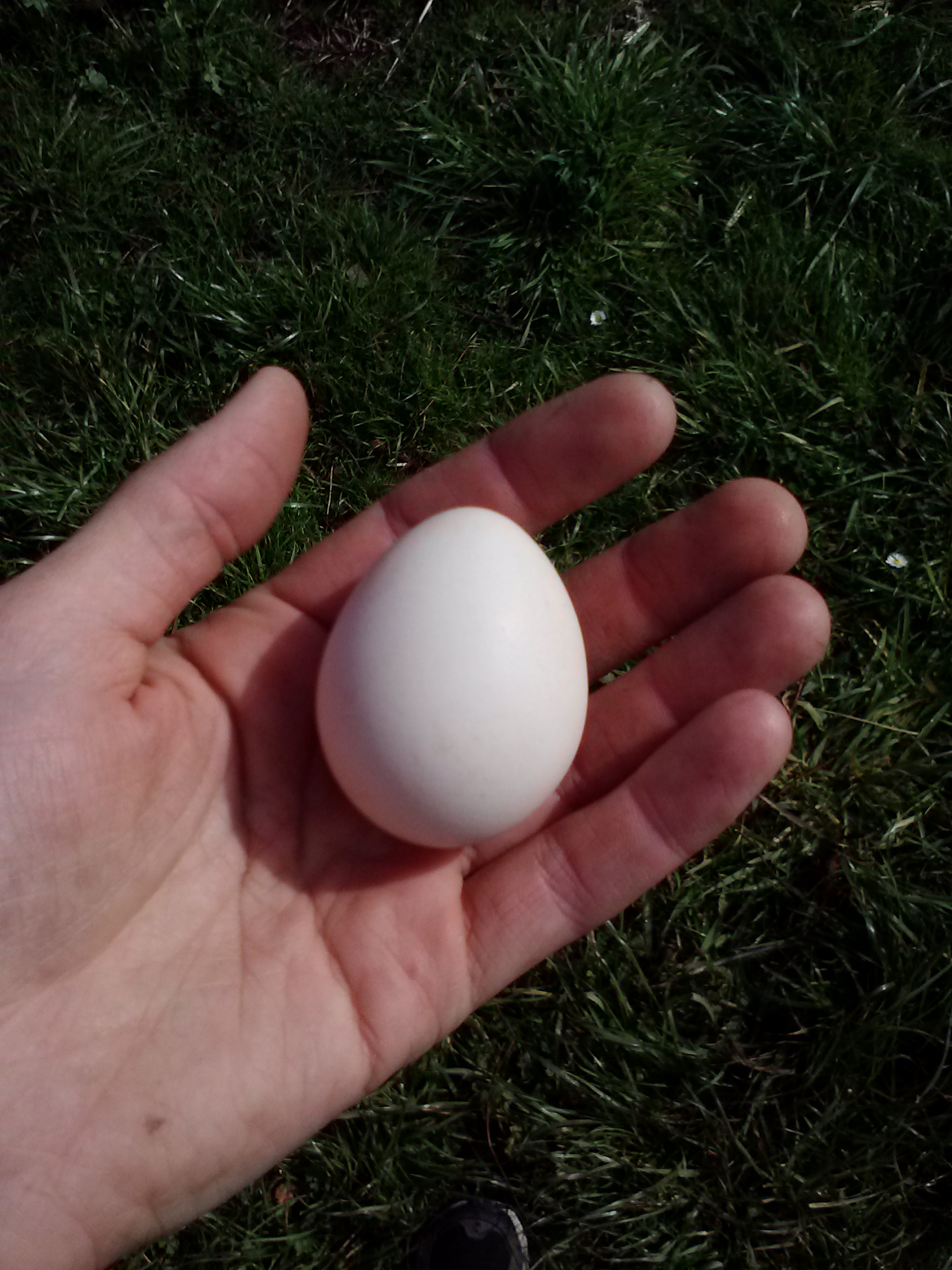
0219131228

Of course, this resulted in me trying to get into the low tractor coop to get it out without letting them escape. Nope.
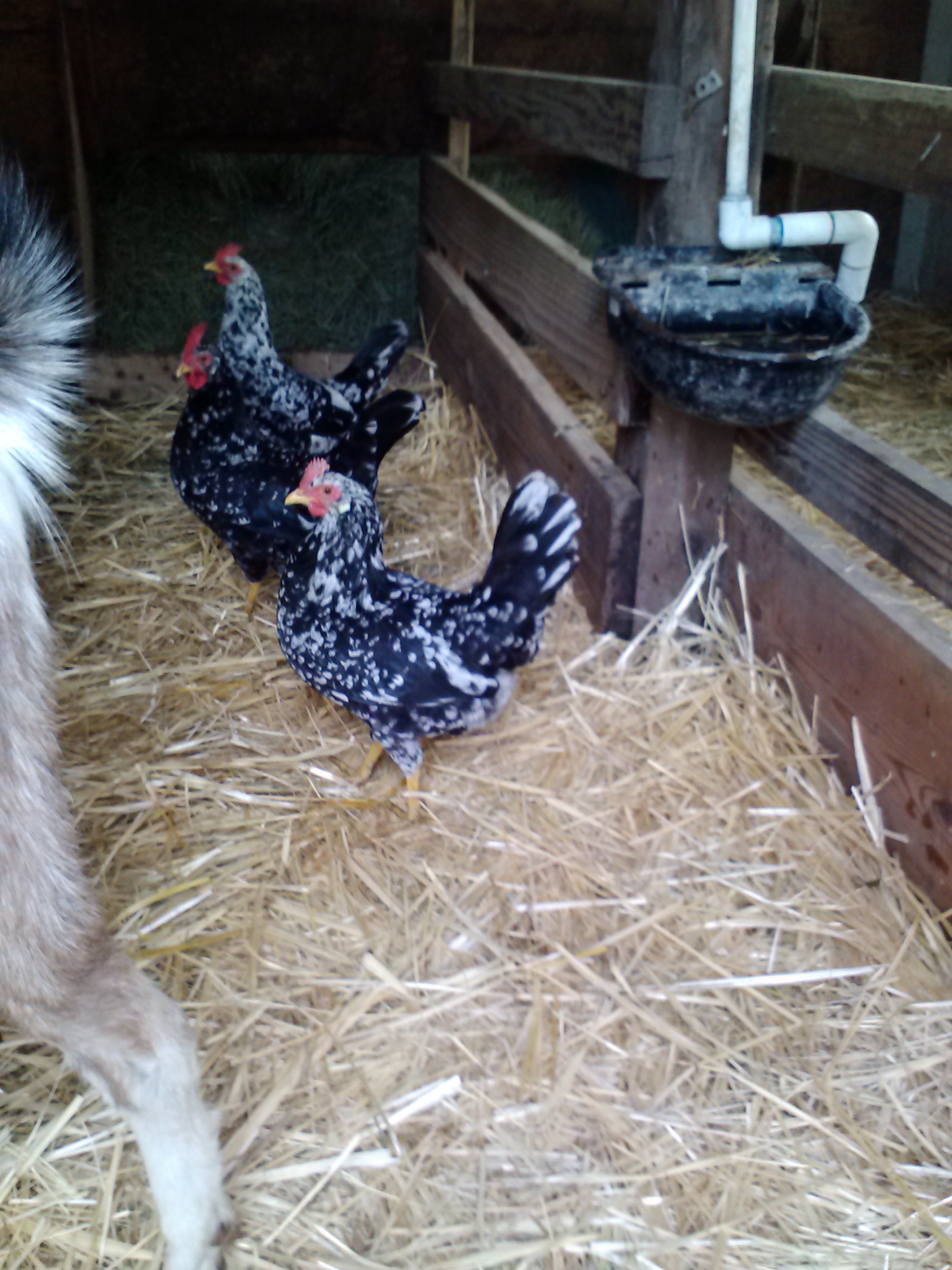
 

We don't even care.
We don’t even care.

Cursing at the fluffy little terrorists I took the egg to put in the refrigerator in the barn. I opened the door, and the light didn’t come on. I wondered if the bulb was out, it still felt cold… and then with dawning horror I opened the freezer.

The hulking huge turkey donated by my farmer friend and market manager Julie was almost totally thawed. Still perfectly cold, but not able to be re-frozen. My plans for the day had just changed.

I called Sarah and left a message: “We have an emergency and have to cook the bigass 30lb turkey Julie gave us, today. Call me.”

I still had to harvest produce for the Bistro. As I was walking back to the garden my friend Jonah arrived. He brought me milk, I gave him veggies and kefir grains. Seeing him was steadying, and as I worked finishing my chores as quickly as possible, I thought about the kefir grains, and how everything we do in our farmer world multiplies. Life begets life, goats beget goats, kefir grains beget kefir grains, seeds beget seeds, chickens beget chickens. Unless they’re jerks in which case their eggs will not be selected for the incubator. Abundance is our way of life. With proper tending everything regenerates, there is no zero sum. But sometimes, you have to drop everything and cook a big ass turkey and roll with the slapstick sense of humor the gods seem to have.

I called my mom, then called my chef friend. Both had very sweet, warm hearted advice. And then Matt, bless his heart and may his knives never dull, actually packed up his knives and came over. I ran around the farm, thinned my baby carrots, dug Jerusalem artichokes, cut herbs, harvested broccoli, and talked with Matt on my cell about how we were going to do this. I had one last acorn squash I grew last year. He had a few local chestnuts. Neither of us had apples, or celery. My onions were tiny- I harvested some scallions, and he brought wild onions foraged from a creek. In his usual calm, cheerful, totally unruffled manner, we made it happen.
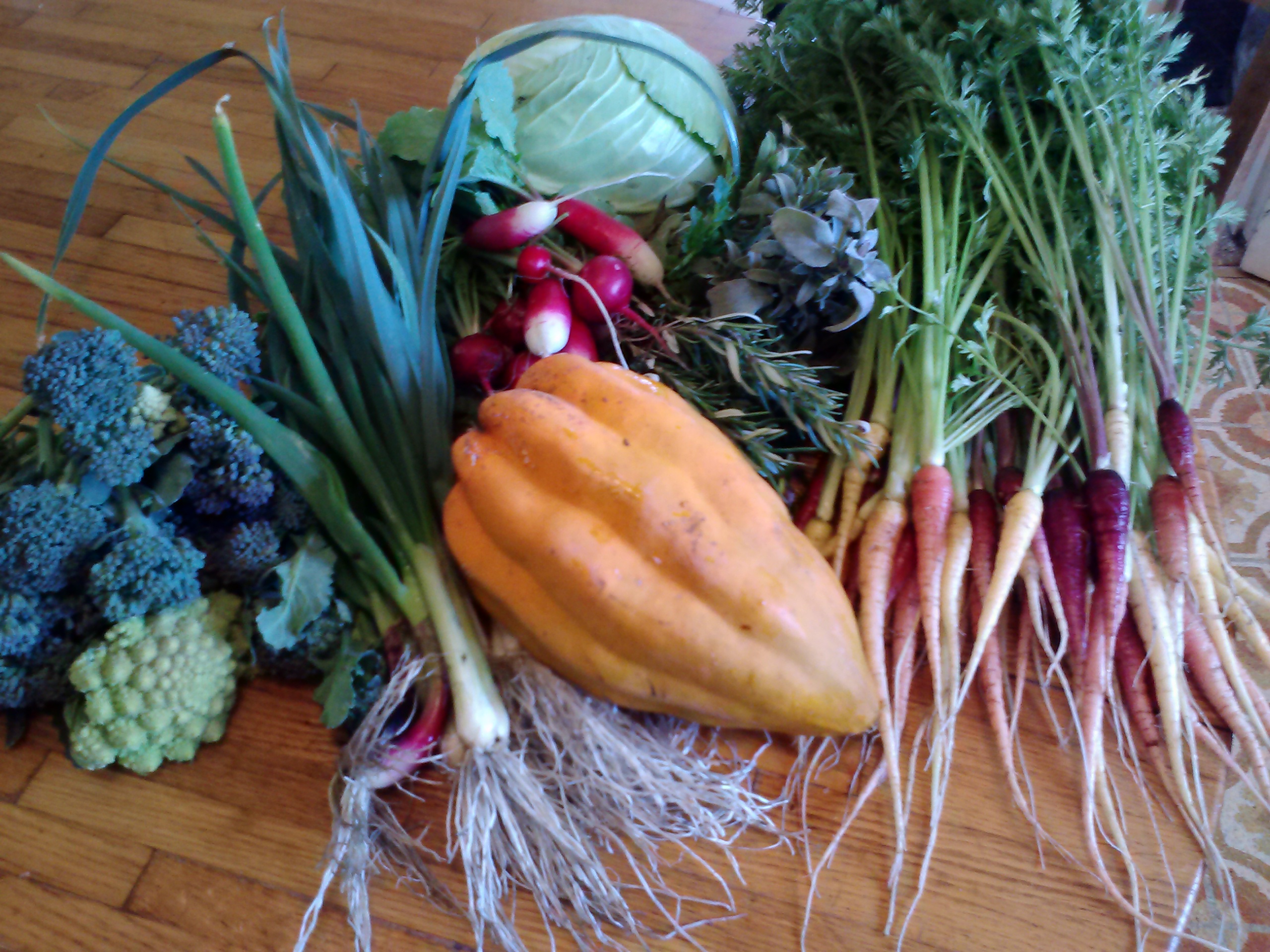
0219131319b
Everything I picked this morning, except the squash, which I picked in the fall.

This kind of magic is Matt’s specialty, he’s our chef for the Farm to Table dinner series Sarah created. He can bring together fresh ingredients on the fly and create something magical. He has none of the ego or stress of the stereotypical chef, he moves slowly, has a great time, and makes amazing food. And he’s wonderful enough to drop everything and come to my house to cook me a feast.

0219131456
Chopped wild onions, red scallions I grew, my herbs, fresh butter.

We  steamed the Jerusalem artichokes, minced the herbs and garlic, chopped the squash, chopped chestnuts, crumbled dried mushrooms, and beat duck eggs to make stuffing.

0219131346d
The gentleman in question.

In the middle of this process I got a call from work. The jerk chickens were over the fence. A volunteer was kind enough to follow my directions about how to lure them back in, even though my voice was muffled by my shoulder since I had butter hands.
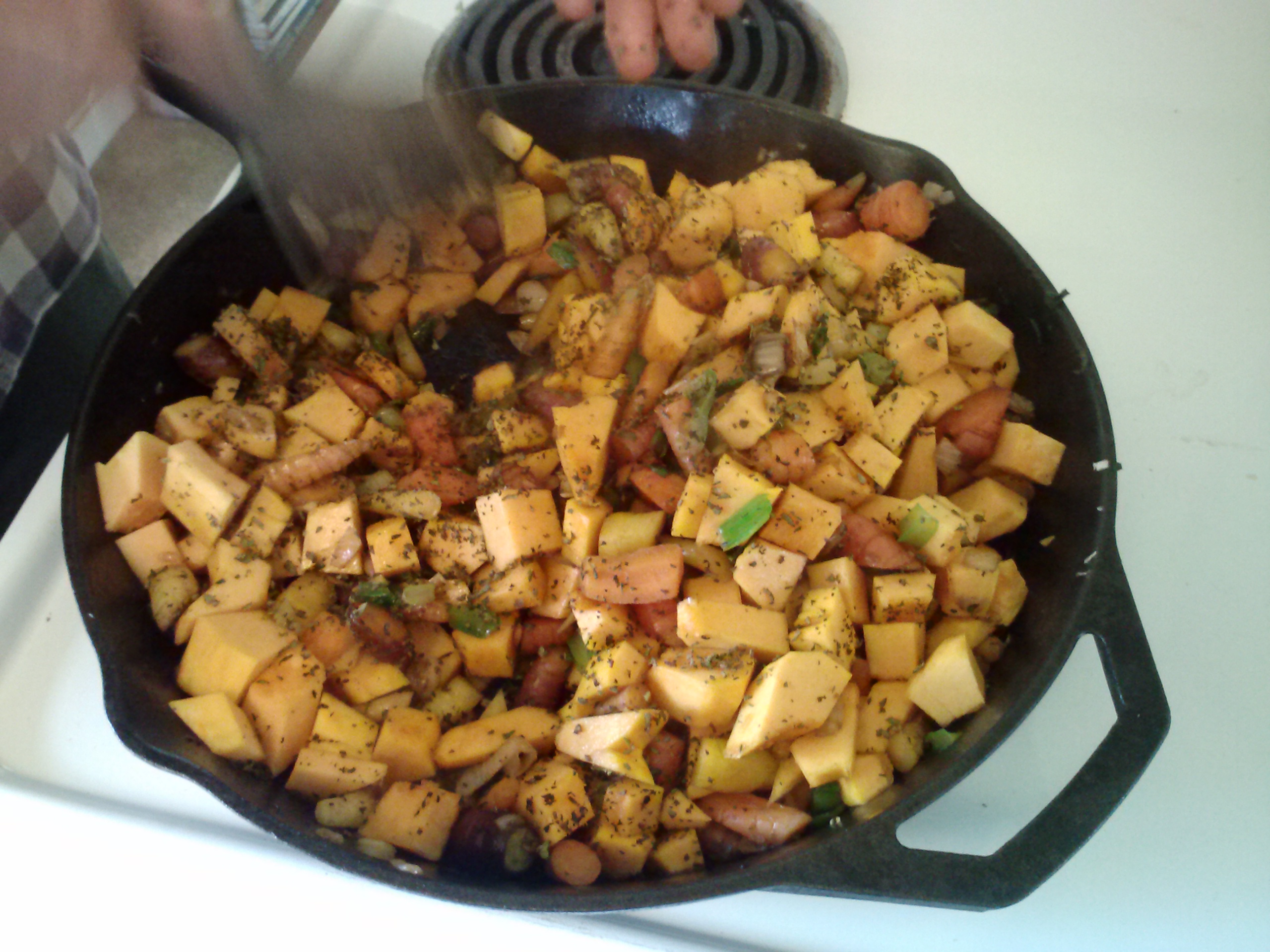
0219131509a
Cooking the stuffing

Browning the stuffing made the house smell amazing.

Herb garlic butter massage.
Rosemary to the rescue!

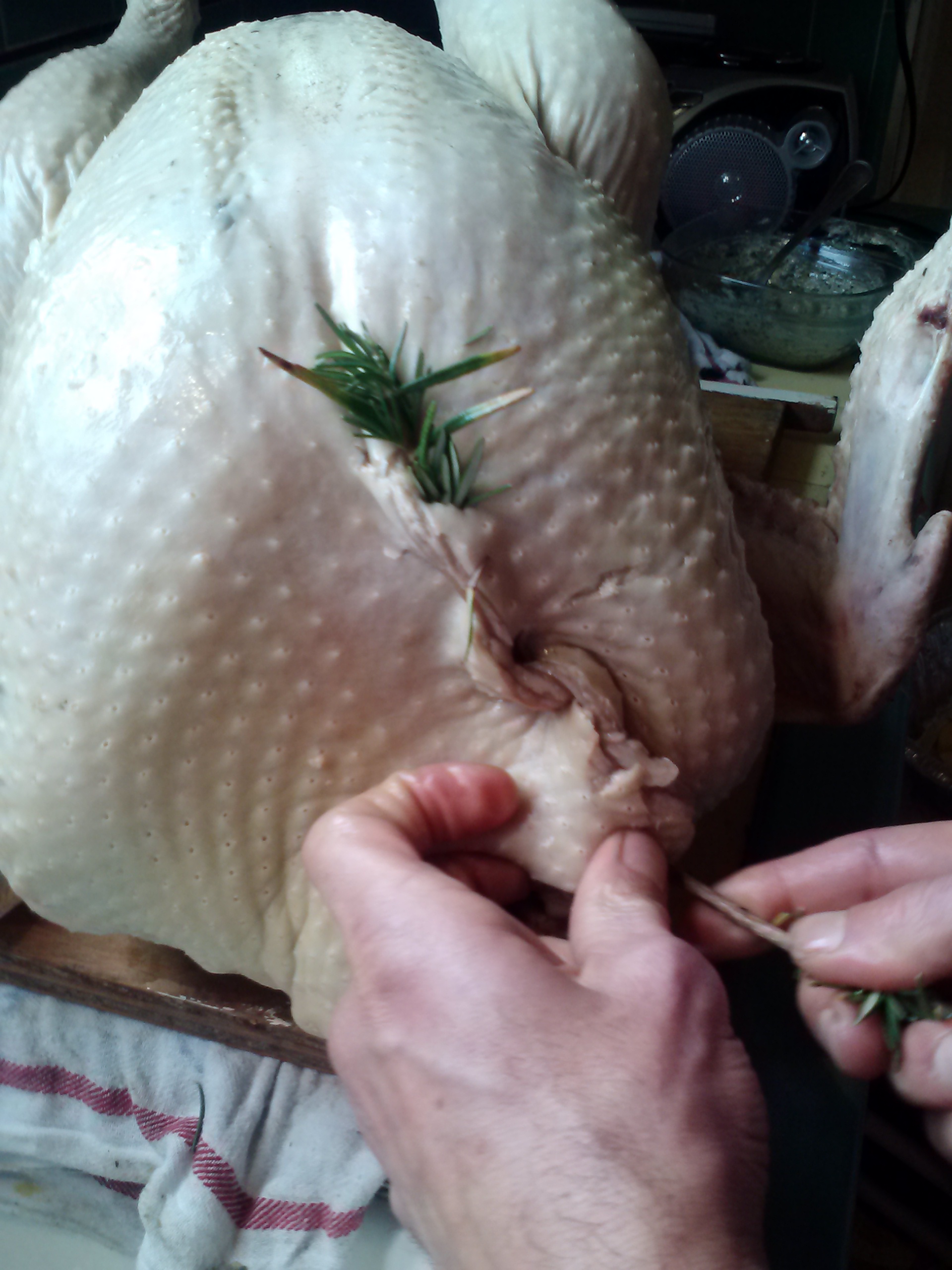
….And of course I didn’t have twine. Never fazed, Matt sharpened some of what I did have- a burly old rosemary bush full of sharp branches. He skewered the wings down and we stitched the bird together with the twigs.
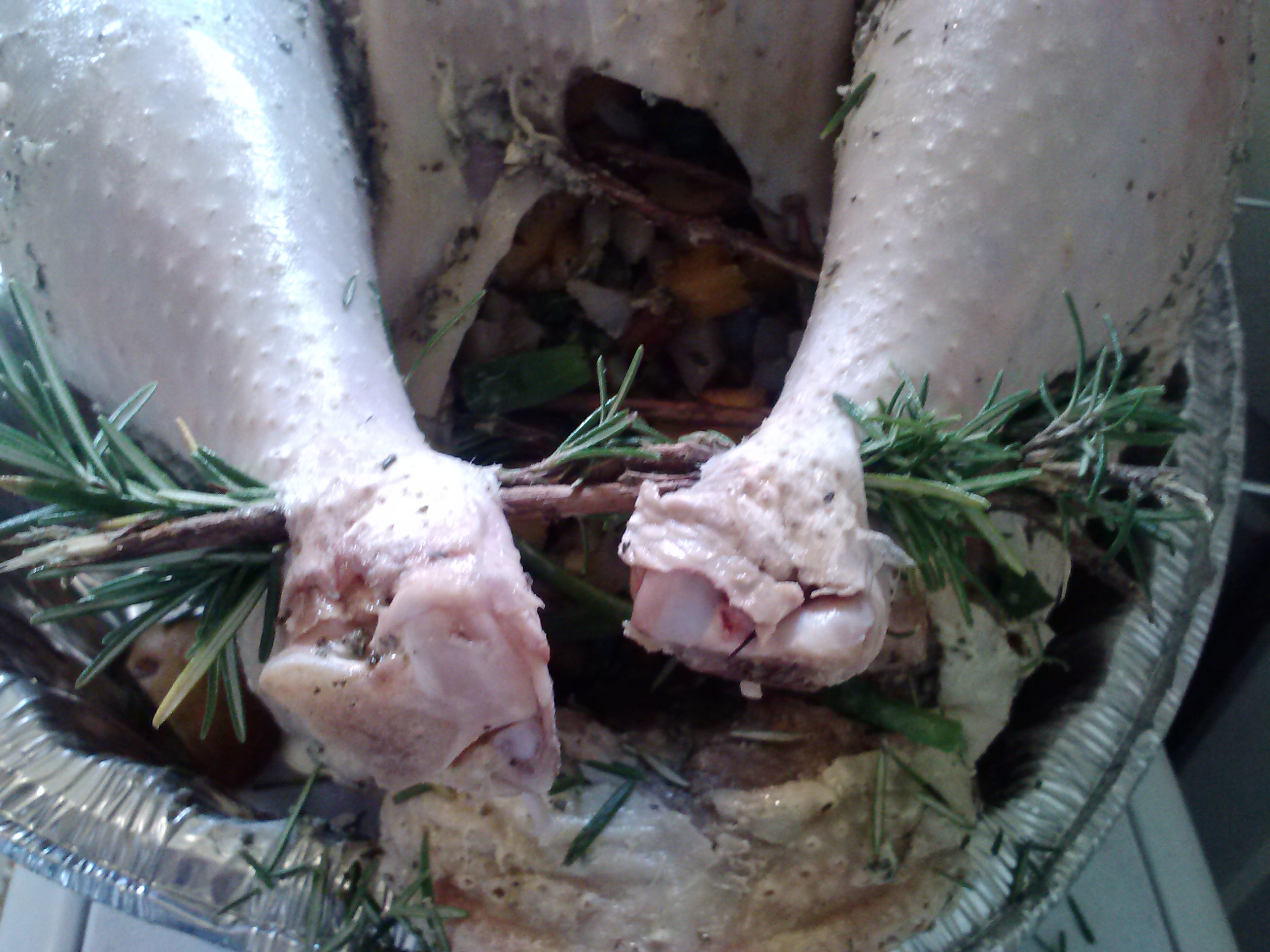
0219131613
This took some doing. Never underestimate butter hands for making simple things difficult and difficult things hilariously impossible.

Mr. Tom went in.

1361330995858
On his way to deliciousness.

And like the magical wood elf he is, Matt departed as quickly and cheerfully as he had arrived.

And so I’m sitting here. Kate Wolf is on the radio, I have work emails to answer, some stuffing prep dishes to wash, and broccoli to cut up and steam. The Kid just walked in the door. My butt-face chickens really saved us today. Funny how life works.

I’ll let you know how it went tomorrow.

Loves,

-Gowan
 

The Magic of Milk

I don’t think I have opened the fridge and poured myself a glass of milk since I lived in my parents’ house. And even then, I do not remember this as a familiar action. I never loved the taste of store-bought milk, nor craved it. I found it thin & tasteless and didn’t believe it provided much nutritional value for me; I usually used almond milk for things requiring a milk-like substance. Until now. This month has transformed me into the girl who excitedly awaits milk deliveries with ardent anticipation. When the jar arrives, I excitedly open the lid and skim a spoonful of cream right off the top before putting it in the fridge. Oh, the cream! What most milk drinkers have been robbed of…. In my opinion, lowfat/reduced-fat milk is a nutritional hoax and an offense to our species. Milk is meant to be whole and thick and creamy – just like it comes out of the cow.

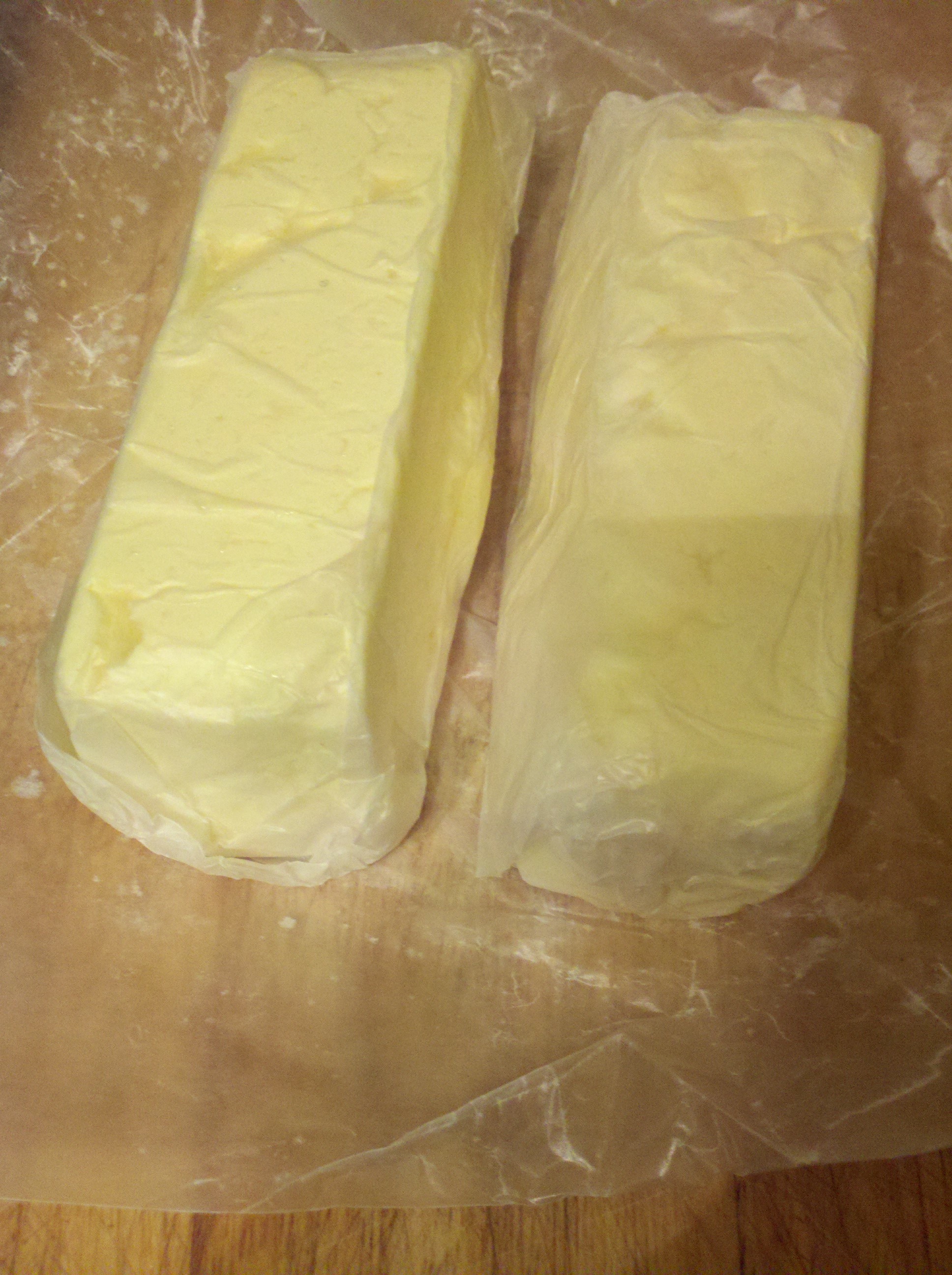
ButterI have gone through a milk metamorphosis; my culinary clock revolves around when the next jars of milk will arrive. Originally, we thought we would each consume 1/2 gallon of milk per week. Now we pick up milk 2 or 3 times a week and have been going through a few gallons between us! We, and I mean Gowan really, also severely underestimated our butter consumption and that problem has been resolved by upping our butter order to 1 pound/week – and that may not be enough. Milk and butter are like white gold and they are literally keeping us alive during the winter months. It’s not only keeping us alive; I believe that the enzyme rich unpasteurized fresh milk helped my recent ghastly thumb wound heal at superhero speed. A friend told me today that she has been making ghee with fresh butter and using the leftover milk solids as a skin ointment, which is healing chronic skin problems. I am a believer and this shouldn’t surprise me, but the simple magic of real food is continually astonishing.

What have we done with all this milk? During the first couple weeks, I was too busy to do much more than make creamy soup and simply drink it from the glass – which was a bizarrely satisfying novelty in its own right. In Month 1 we made yogurt, steamed milk, more yogurt, farmers’ cheese, and then strained yogurt – my Greek ancestors would approve and there is no turning back to runny yogurt.  In Month 2 we have introduced kefir and custard to the milk repertoire. And someday… cheesecake! Oh boy, I am going to eat 30 local cheesecakes to celebrate my 3oth birthday this year.

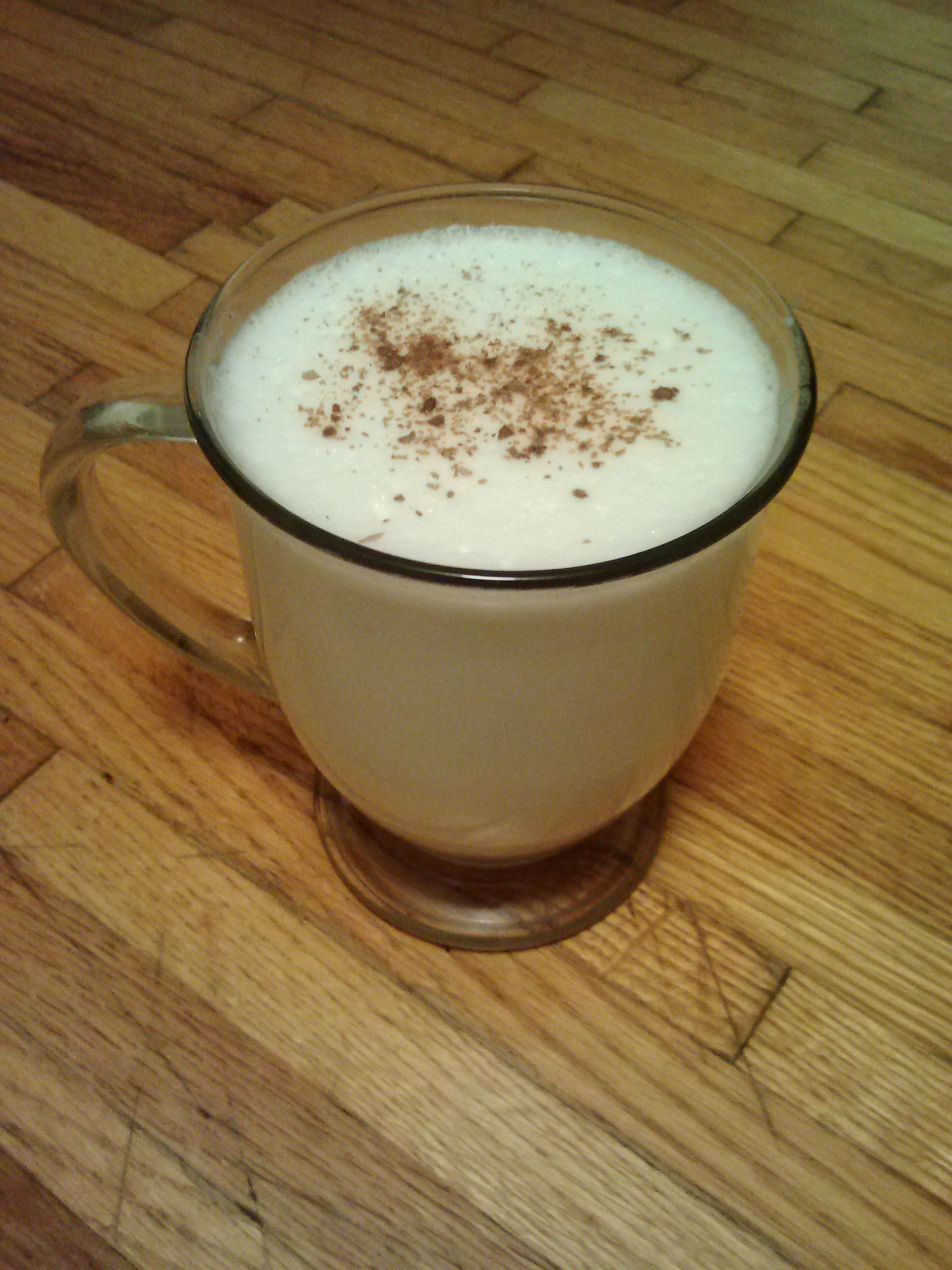
0205131844My new favorite nightcap is a steamed milk latte with honey, or infused with lavender flowers. Gowan has perfected a morning version with roasted bay nuts (pictured here). Natural divisions of milk labor have arisen. I make the yogurt and deliver 2 quarts to my sister-wife every week. (Confession of a locavore: one of my greatest joys is eating the skin that forms on the milk after cooling it for inoculation; there is something straight up primal and maternal about it.) Gowan makes the farmer’s cheese and the kefir. We are starting to develop rhythms somewhat more graceful and harmonious than a frantic scramble for calories.

Processing milk is a delicate thing. I remember when my organic gardening teacher told us that asparagus is a lifestyle indicator; you have to know that you’re going to be in a place for a few years before you benefit from your crop, and it requires special conditions; it is an investment for the future. I have always thought that I’ll know I’ve reached a new level in my life when I plant asparagus. Similarly, our milk makings are short-term lifestyle indicators; milk is just as sensitive and the feedback loop is immediate. We must be present and attentive, and well – responsible.

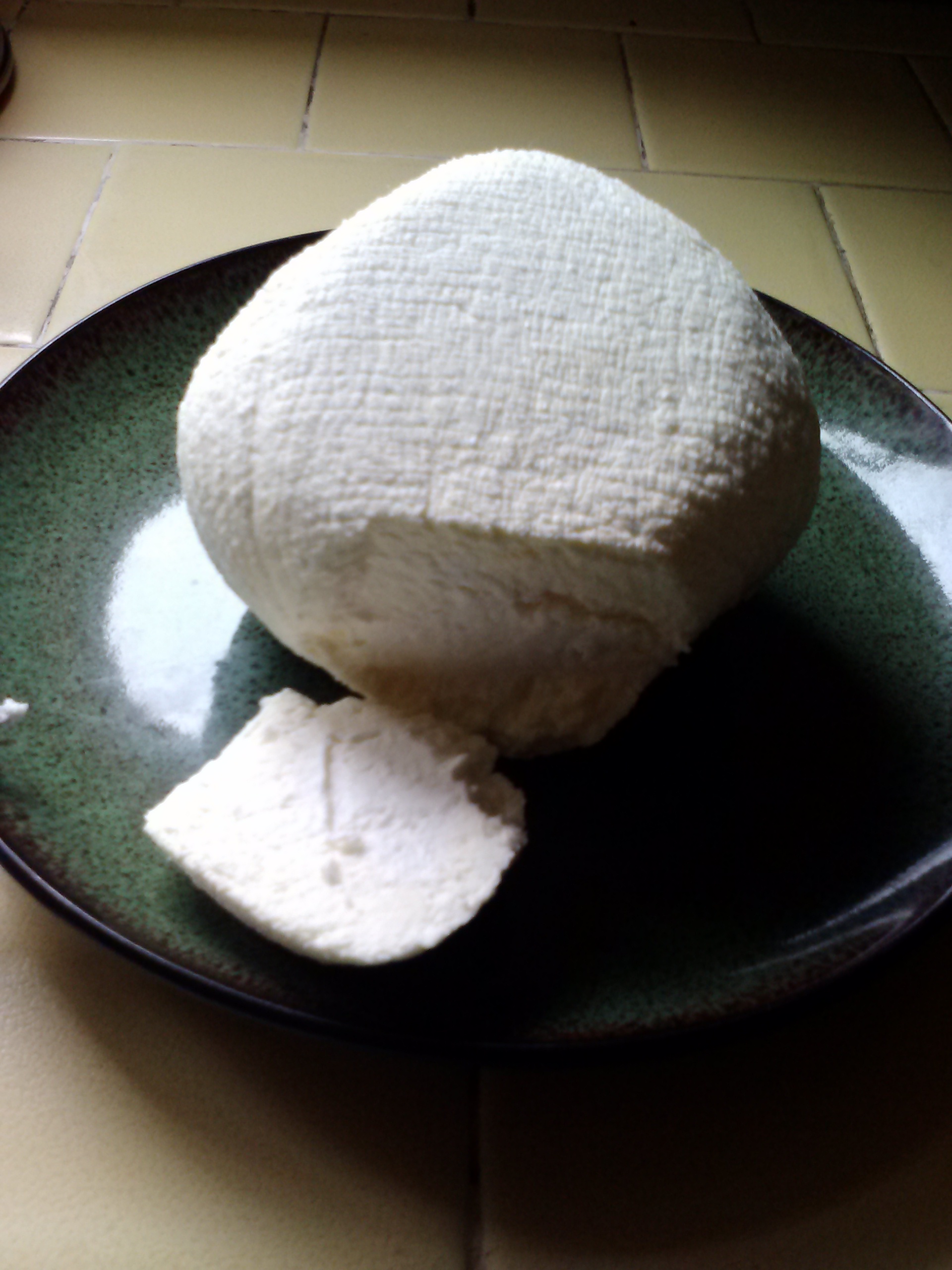
Farmer's CheeseYogurt requires heating and cooling milk to exacting temperatures and then keeping it steadily warm while the cultures do their magic for 8-12 hours. Keeping kefir grains alive requires daily washing and babysitting. I have ruined a batch of yogurt by not coming home one night, and another because the cultures went a little funky. All this milk has sort of turned us into soccer moms; I travel with a cooler and ice packs and I have to think about how all of my decisions may impact my milk cultures, plus my ability to eat tomorrow. It’s a lot of responsibility. When leaving town for a work trip last week, I had to load my entire kitchen into the car and be on the road before 7 am; not surprised to later find out that I had left for a 5 day trip without a single pair of underwear in my suitcase. But, my milk was safely packed and chilled. I have to say, I am beginning to get mad nostalgic about the days of the milk man (even though that was way before my time). If a modern day milk man started showing up on my doorstep every morning, I would probably fall in love with him.

Gratitude

Today I’m overwhelmed with gratitude. Partially because I’m just coming out of a couple weeks where this project was, well, hard. My roommates were moving out, and The Kid and I were transitioning to having this old sweet house to ourselves. An exciting time, but hard to be cooking three meals a day, working 7 days per week, and pull of the massive logistical challenges required to make all our lives work. Its less hectic now, and life is opening up in so many ways its beyond what I can contain in my weird little heart.

My friend Hal used to say, “the medium is the message” and I think he’s right. The work of this reveals the point, the deep quiet truths of life in an interconnected system. Yesterday was market day, and as usual our booth was packed with not only the produce I grow, but also a large number of my friend’s crafts or farm products. Our closing math is byzantine, but we all come out okay. My friend Amanda, a farmer up Pudding Creek, comes out and helps me haul tables and sell our wares. She’s the kind of friend who will come out in the freezing cold to help me cut into the intestines of a hen that died despite my attempts to save her, to make sure it was a blockage that killed her and not a disease that might affect the rest of the flock. She’s true-blue and grows the best collards on the coast. I saw some friends from Comptche who just moved to their very own farm. They don’t have a garden going yet, but they do have a cow, and they gave me milk, and I gave them a bunch of different greens. I saw my friend Matt, a local chef and chocolate maker and gave him some mustard greens. Today he contacted me and asked me to come over and try an all-local confection he made out of chestnuts, honey and brandy. After the market I drove south to hear my lioness of a mother be interviewed on the radio about her work advocating for the human rights of survivors of child abuse. I drove home stopping to hug Sarah and meet up with an amazing man, who is determined to find ways to court me despite not being able to take me out to eat. I’m surrounded by generous, talented, beautiful people, and for every little thing I give I get showered with abundance.

The Kid is home sick today. I had a class scheduled with a group of culinary students in the garden, but its pouring rain, so we’re rescheduling. My usual volunteers for Thursday are out of town, and some wonderful people came in this morning to work, but they’re home by now. The animals are fed and have deep straw to stay warm and dry. I’m scheduled for a full day this weekend and all next week, so I’m enjoying the freedom that is seemingly paradoxically contained in my non-stop work life and taking today to hang around with The Kid, watch The Goonies, and bake. And I feel like I’m grasping in a way I never understood before how loved and cared for we are, and how many people’s hands we’re resting in to be able to take this day in the warm house while the rain falls outside.

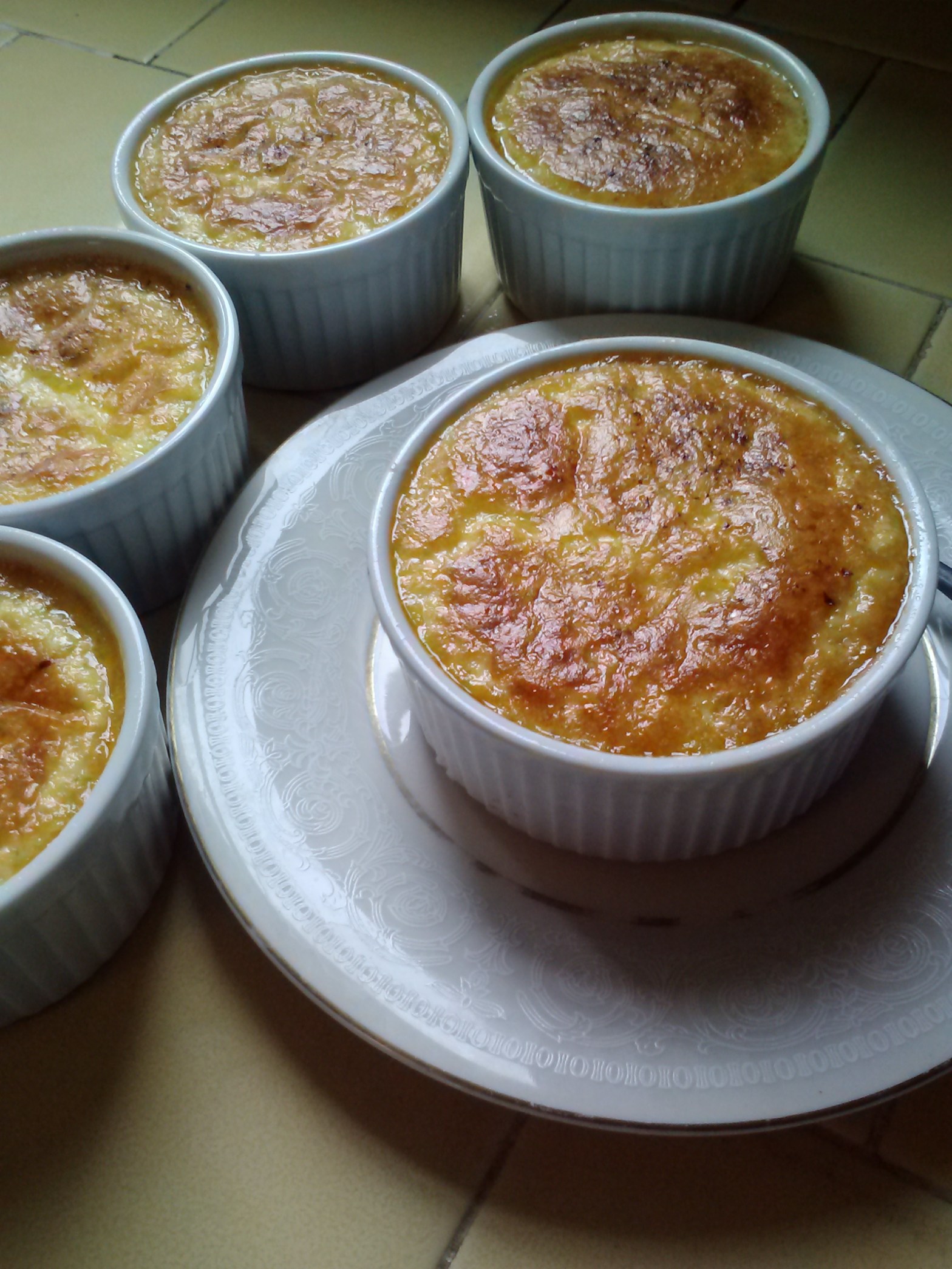
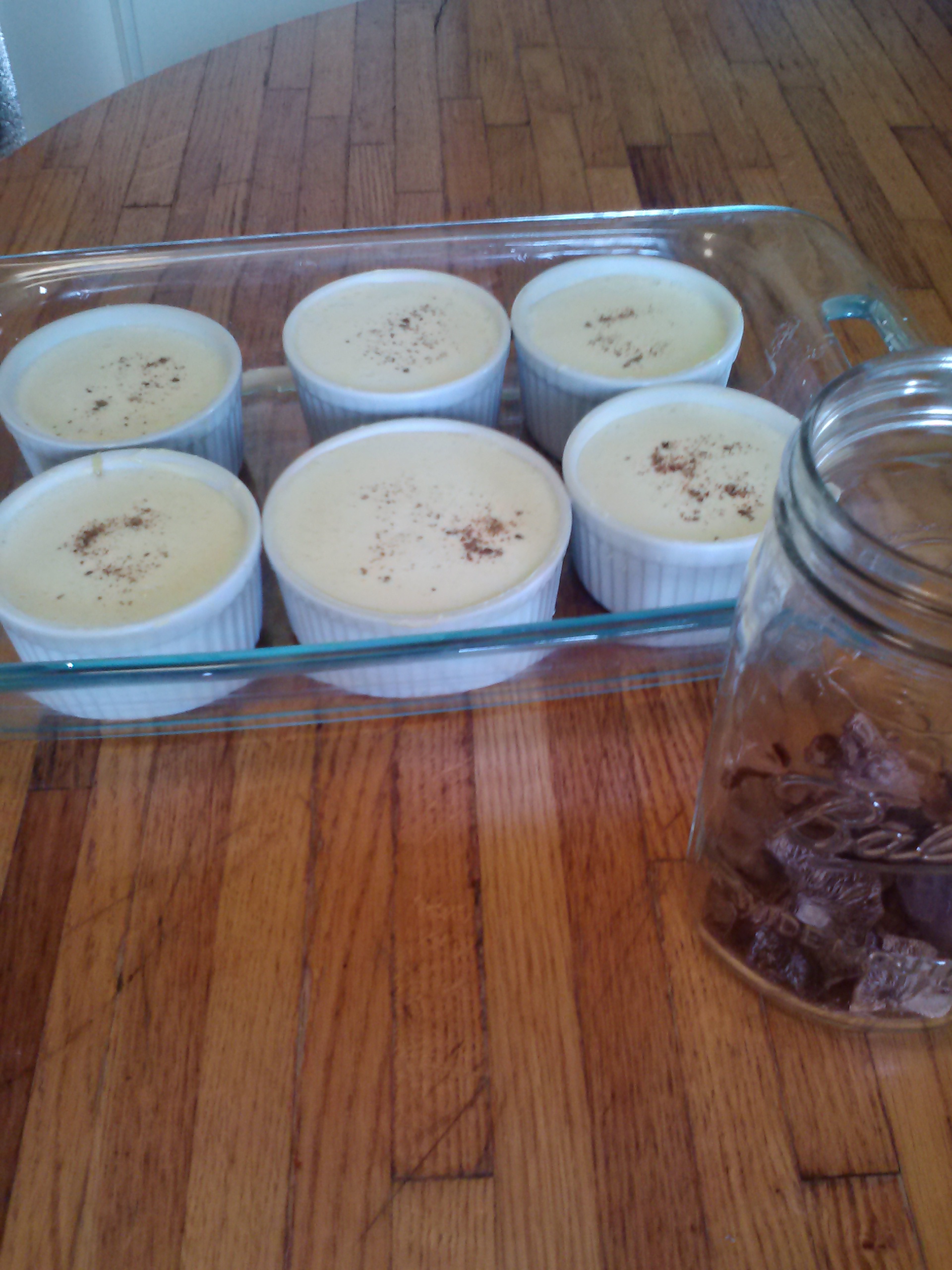
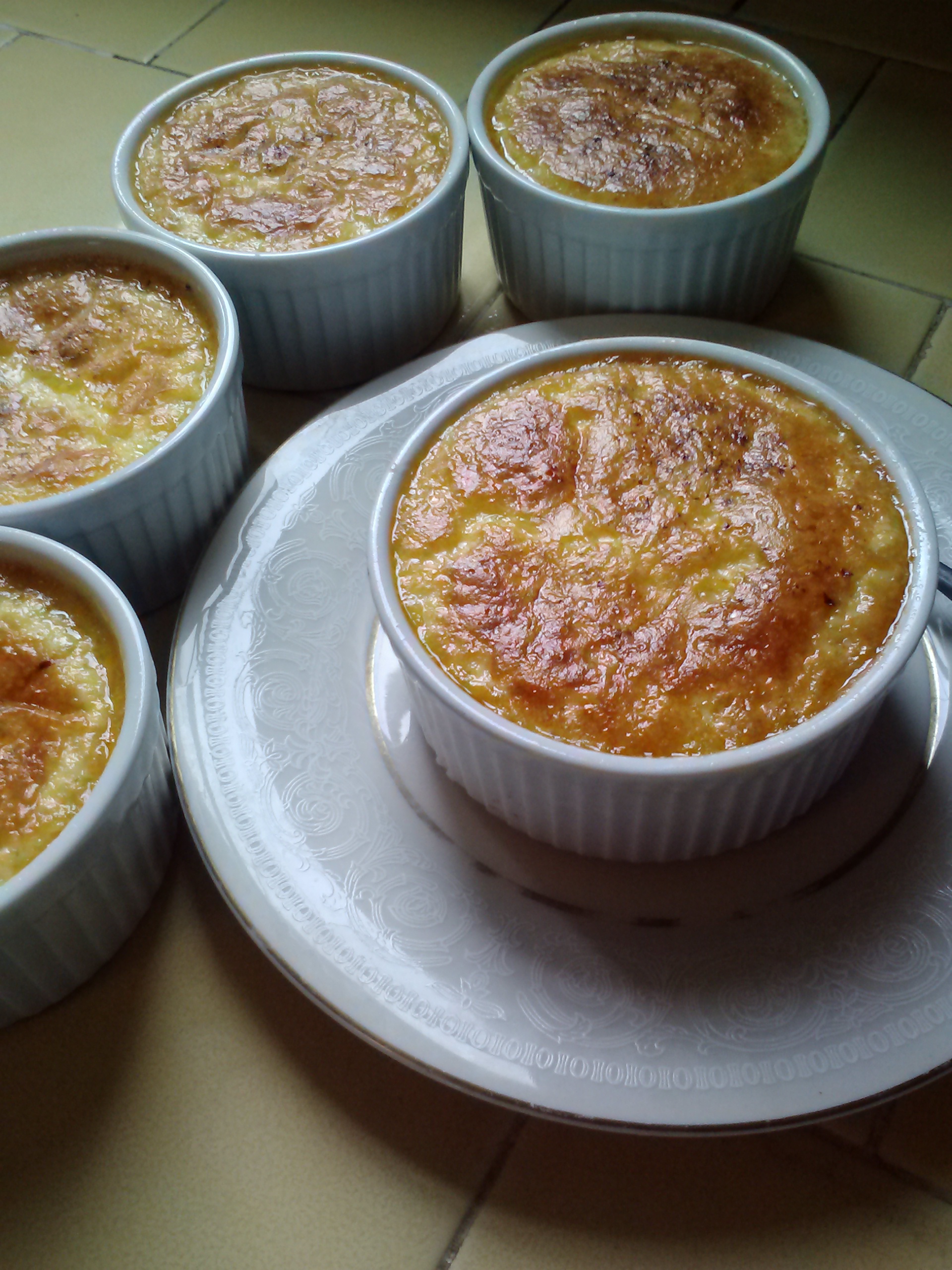
I made custards, and found myself thanking my mom. I don’t remember being taught to make these, just watching you make them every time someone was sick, or dying. Thank you for making me carry custards to Mr. Hiller every day down the street when he was dying of cancer, teaching me by example how we care for people, and that we don’t shut our eyes to pain, we respond with steadiness and solidarity.

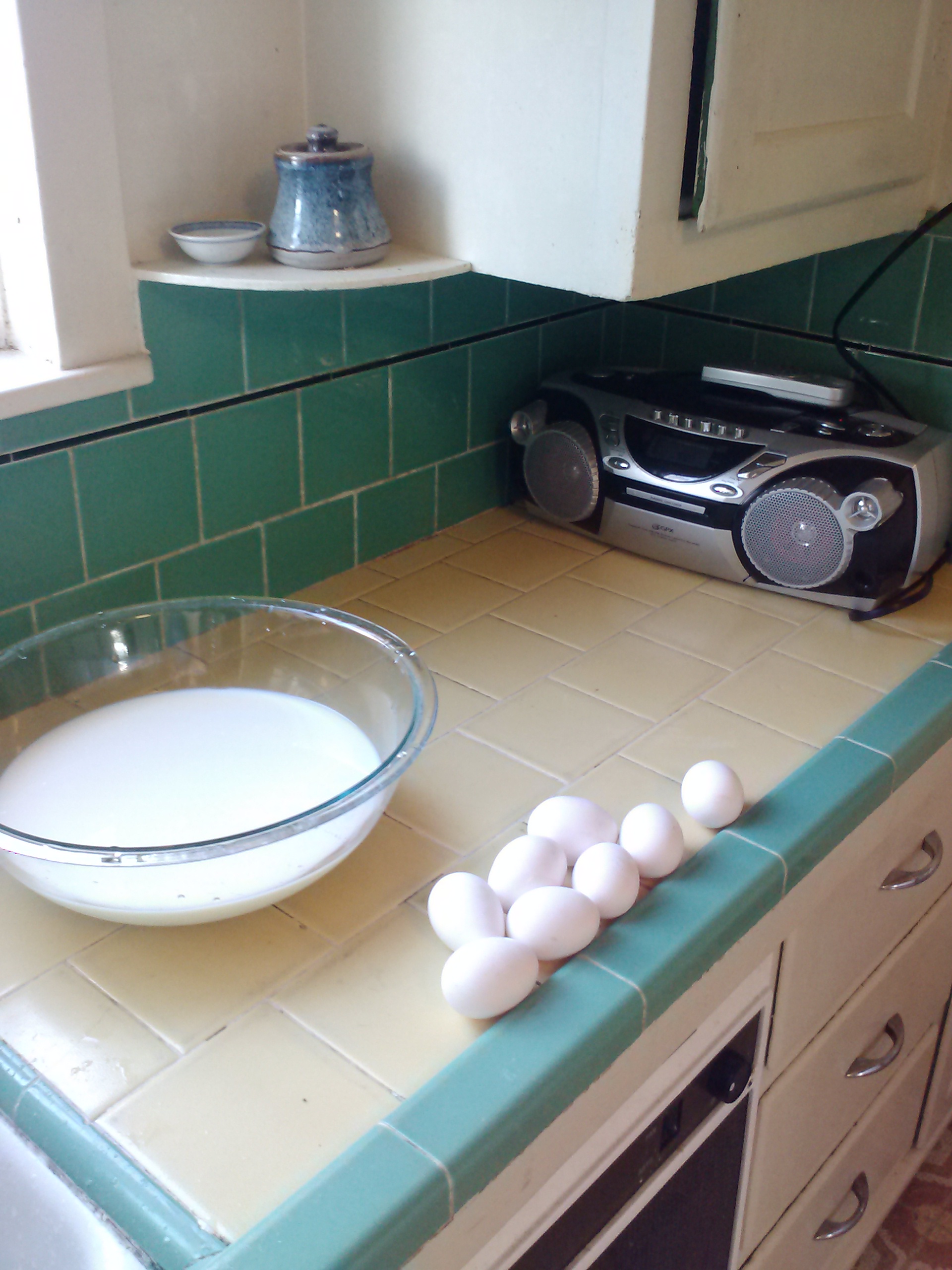
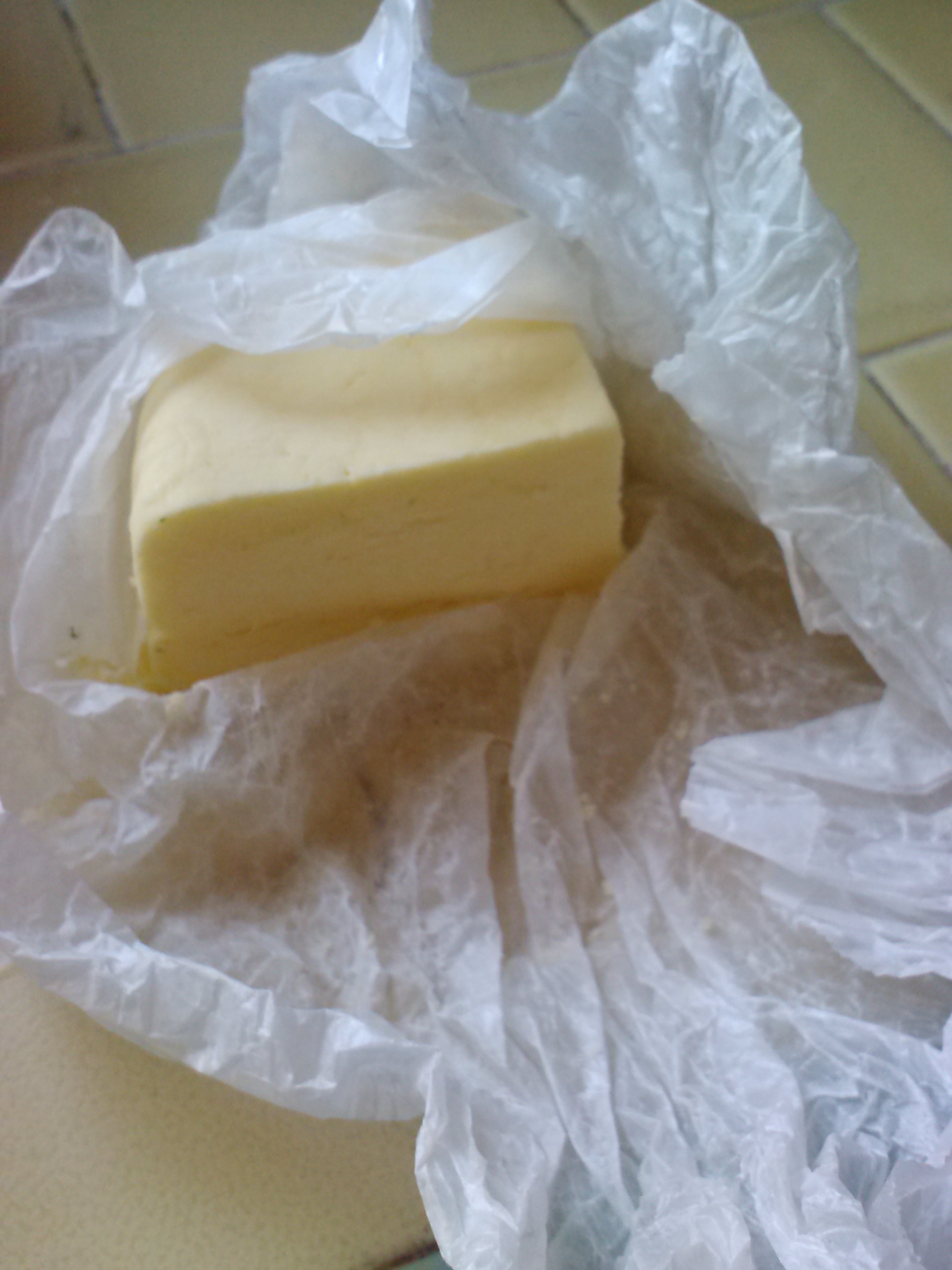
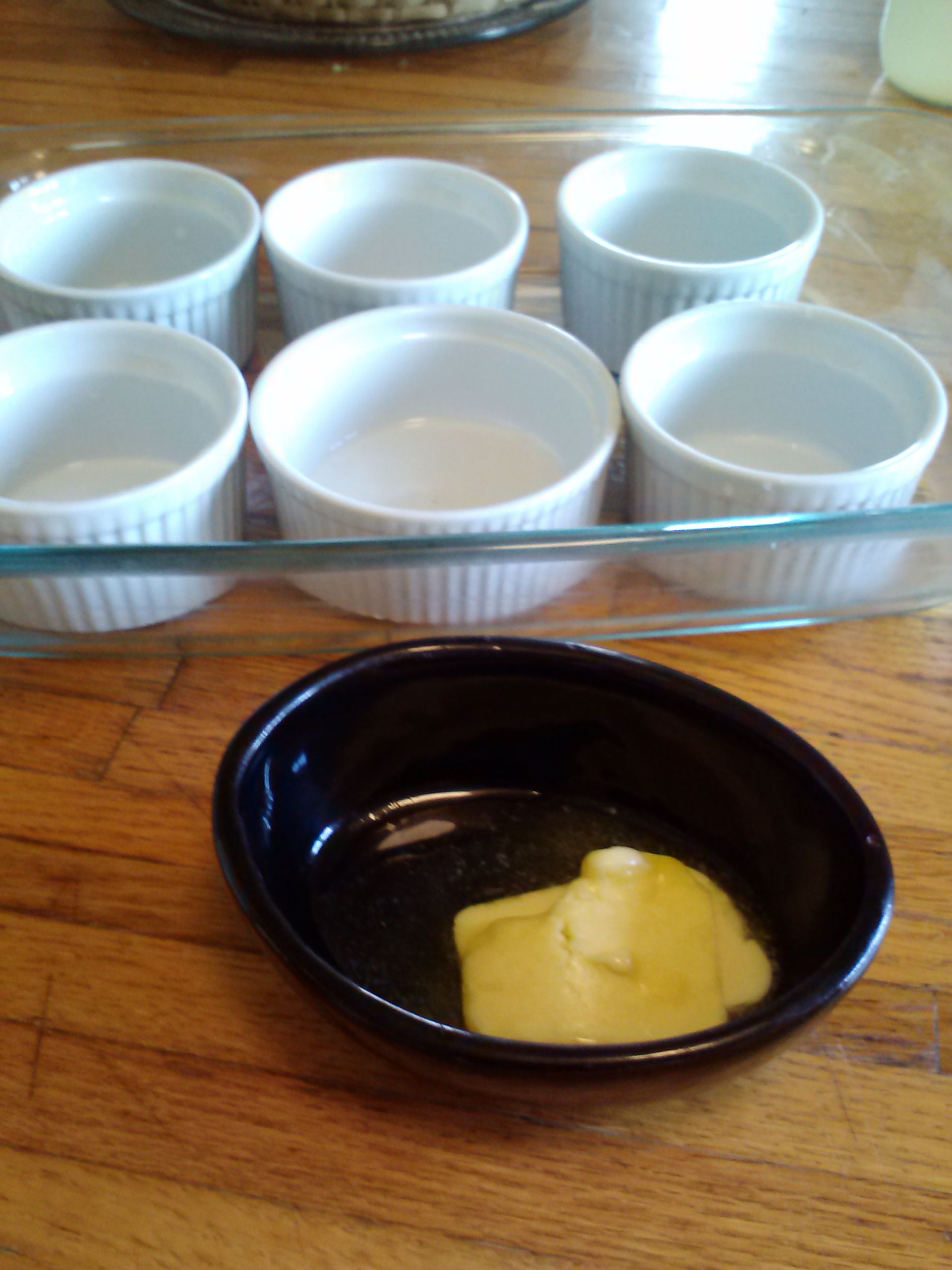
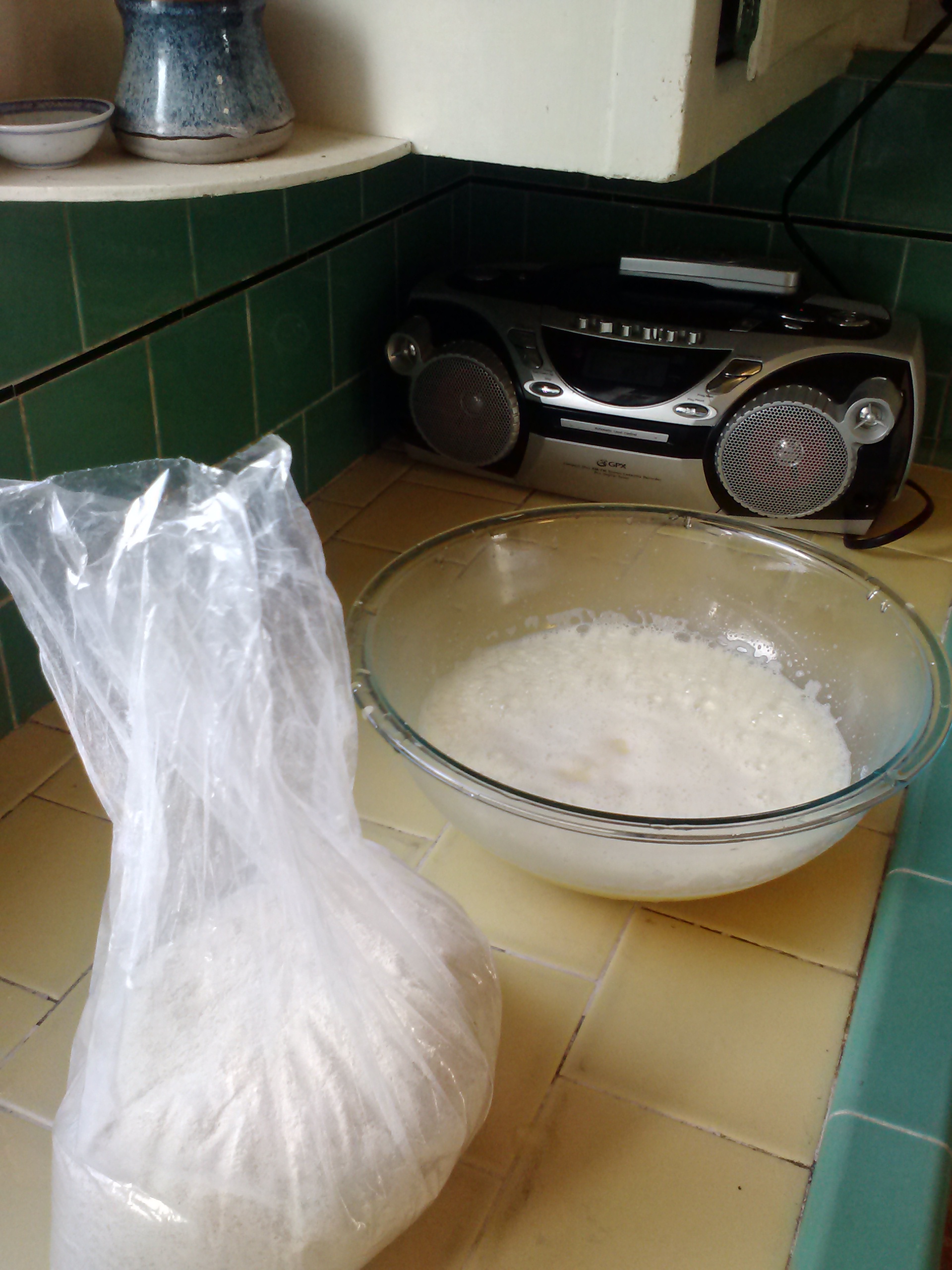
The Kid is in her room, wrapped in a wool blanket I wove which she calls the “don’t-die blanket.” I’m in the kitchen, the radio is on, because a sweet man carried it in with one hand, balancing yogurt (thanks Sarah) and eggs from his hens in the other so we could listen to it while we cooked.0207131147 I’m cracking eggs. (thanks Jake) I’m mixing in milk.(thanks Laurel and Leu) 0207131154I’m warming butter in the oven (thanks Liz) in a ramekin that’s been in my mom’s house since before I was born, to grease the custard cups.0207131157 I don’t remember when I learned that you warm butter in a separate pan and then rub it on a cold cup to coat it evenly. I add a pinch of salt. (thanks Ryland) I drizzle in honey, (thanks Keith) and mix until the eggs start to froth. I add some more honey to the bottom of the buttered cups, pour in the egg and milk. 0207131205Sprinkle some candycap powder over the top, (thanks Melinda) then I carefully pour boiling water around the custard cups and set them in the 350 degree oven. 0207131211

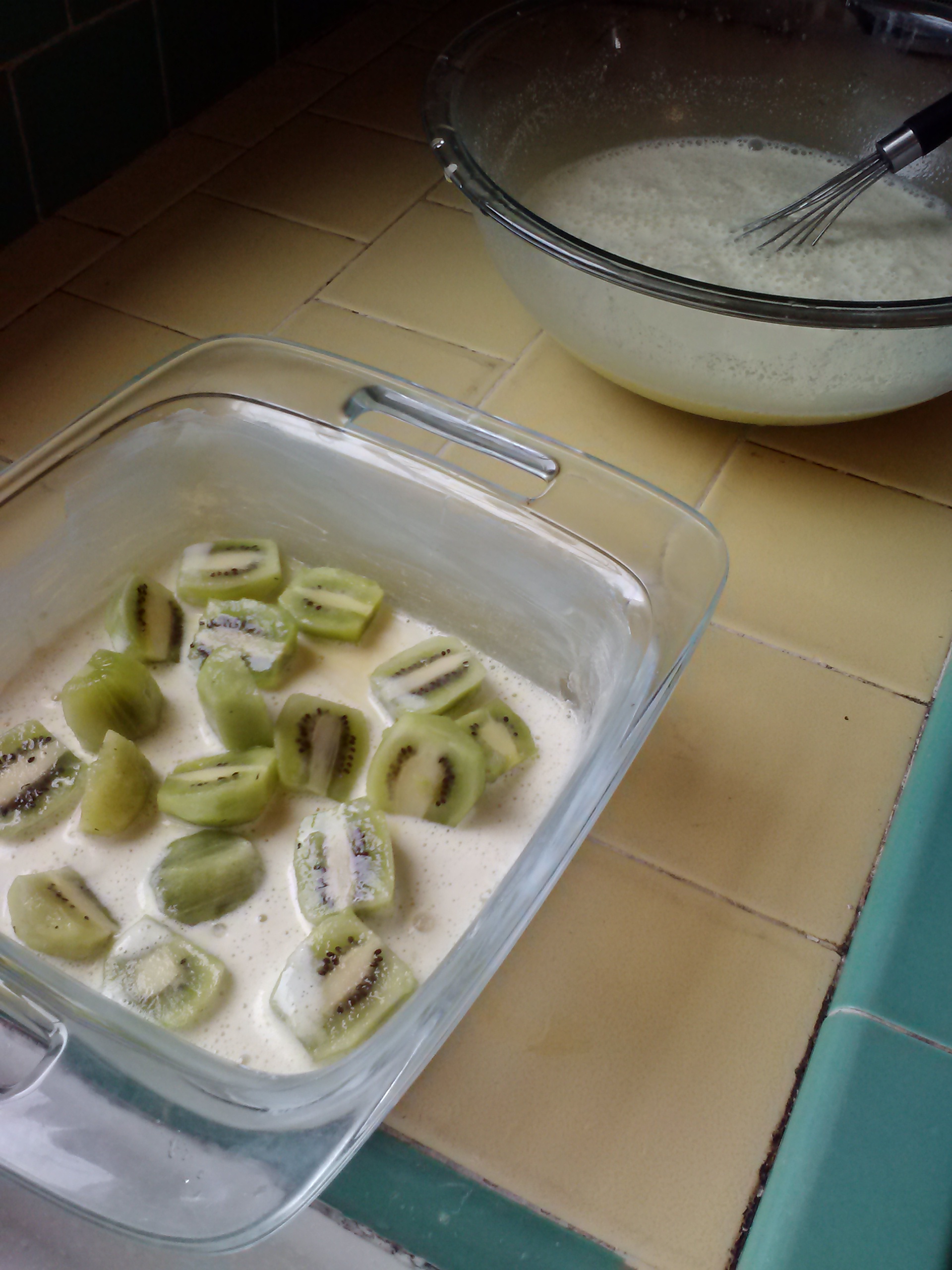
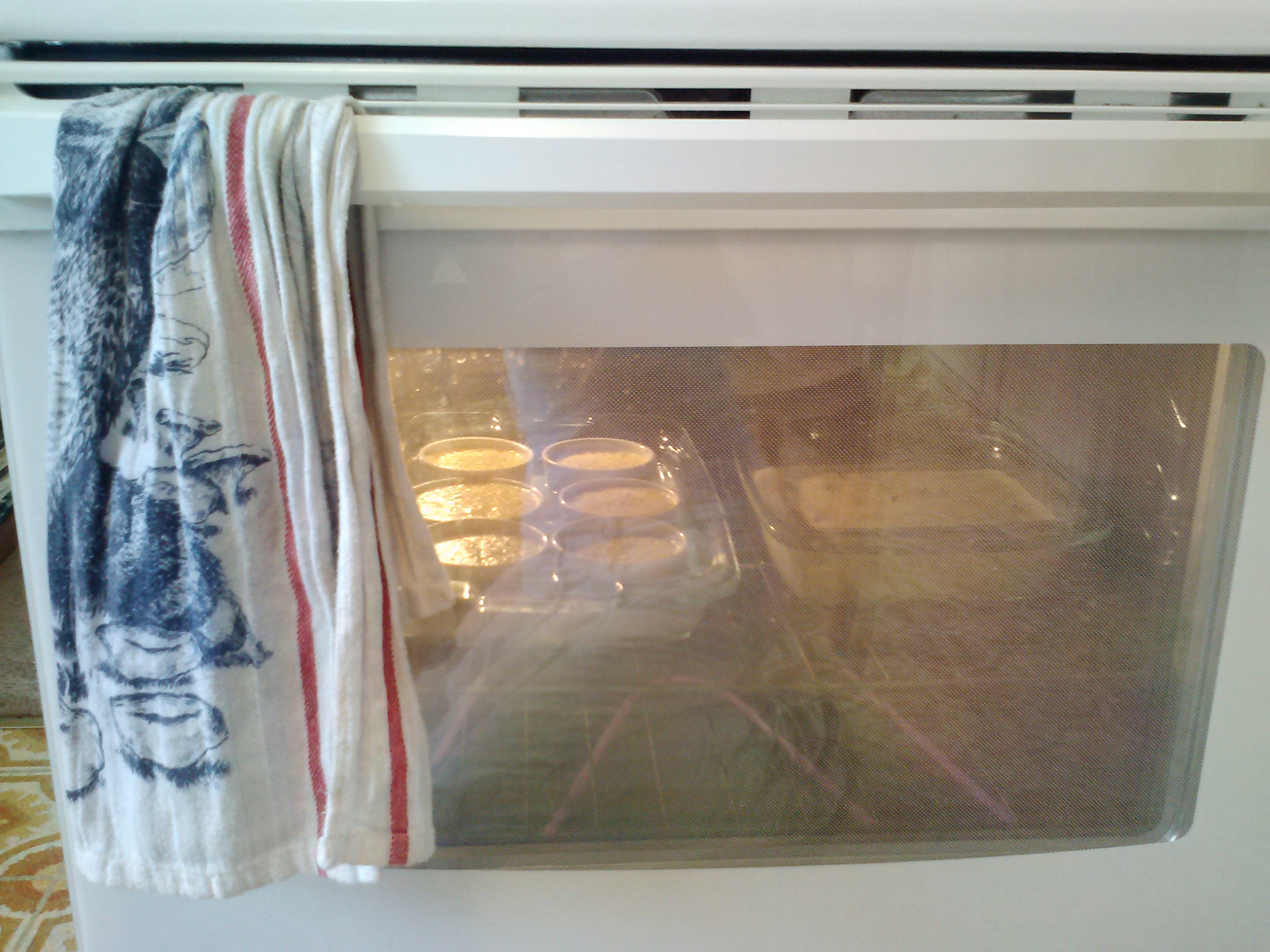
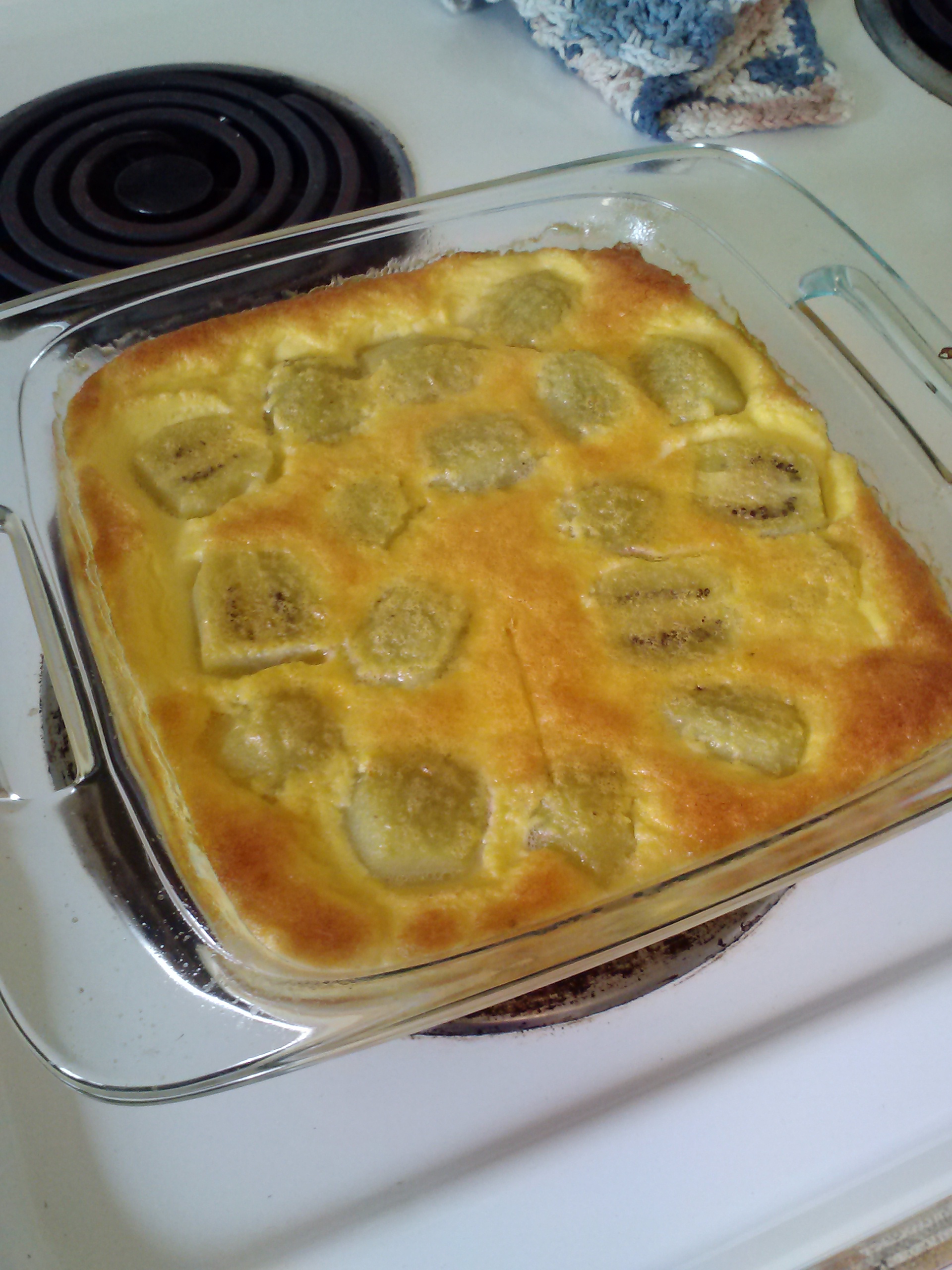
I have extra egg and milk mixture, so I add half a cup of flour, (thanks Doug) and cube some kiwis, (thanks Teresa) to make clafoutis, from my grandma’s recipe book.0207131223 I butter the pan and carry it to the oven, settling it next to the custards with a tea towel. (thanks Lolli and Jacob)


0207131226

I feel like there’s an ocean of history here. I feel like I’m slowly, in my clumsy way, starting to get a glimpse of real connection to home, and what building that, and being able to share it, means. I’m beginning to see the fierceness inherent in domesticity. Don’t get me wrong, I will always love my hammers and anvil and shovels and mud. But this time in the kitchen has done something so deep in me, shifted some internal tectonic plate. I remember watching my great-grandma baking apple pies from apples from our tree, and understand a tiny bit more about what it meant for her. I remember pulling crab pots with my grandpa, and picking huckleberries. One day when I was about ten, (this is a story that my mom retells a lot to my new generation of nieces and nephews) we were picking huckleberries and I complained about how tiny they were, and how long it took to pick enough to do anything with, and he looked at me and said in his gruff sailor’s voice, “kid, the value of a thing is the work goes into it.”

I feel like I’m starting to understand what he meant.

For Christmas, in a symbolic gesture that, like most expression of my mom’s love, was both graceful and fiercely tribal, my mom gave The Kid her own copy of The Joy of Cooking. Taking down her old copy, which is now held together by string, and talking to The Kid about the history in the family, the old recipes about how to cook raccoon, the ways the book adapted to the Great Depression, and what there is to learn from it today. She folded The Kid into our narrative. While I sit in the warm kitchen watching the clafoutis brown and listening to Neil Young on the radio, that book is on The Kid’s shelf. Tucked into the jacket is my great-grandmother’s recipe for biscuits carefully transcribed by my mother when she was just ten years old. The blocky, carefully printed letters record our history.0207131330a

These are my people. The people I feed, the people who feed me. This amazing kid who showed up in my life, and became my blood. This community that accepts what I have to give, and returns it tenfold. 0207131305a

I think this is what we mean when we talk about a local food system. I’m in awe of how many names there are to thank for my survival, and also in awe that I can name them all. These hands are known to me. This kitchen is full of my community.

Thanks.

-Gowan

Logistics in Paradise

We’re a few days away from the end of month one, and I’m feeling so ready to do this for another eleven months! Especially as things are just now beginning to warm up, and start to look like the cold and dark isn’t going to last forever. I have a greenhouse full of tiny translucent sprouts, a warm fluffy  hen house, and a pregnant goat who is deeply resenting being moved to her new (far better, larger, and with electricity and automatic water, the ingrate) barn.

Life is hard for goats. *dramatic swoon*

Life is demanding, as it always is, full of little absurdities. I have four chickens, Anconas, who came as part of an assortment of rare breeds, and who can fly, and are possessed of the most cranky tempers I have ever seen in a chicken. Even with their flight feathers clipped they go right over our six foot fence and into my garden. So every morning I have to catch them, two at a time, by the feet and deposit them in a covered tractor for the day, and every night open it at twilight and watch as they single file streak to the hen house. They’ll either get too heavy to do this soon, or they’ll be delicious with my new carrots.

I have a gaggle of Community Service kids who push my heart and my coping skills to new heights on a daily basis, trees to prune, borders to reclaim, bulbs to divide, endless seeds to plant.

My job description is “Farm Manager” but really, this farm manages me.

Which is exactly how I feel about this project; its less something I do and more something that has created a shape for my life to be. I spend about an hour every morning cooking for the day, I get up at 5, go to the gym, come home and be showered by 7, catch up on emails between straining cheese and making breakfast and lunch and sometimes starting dinner, get The Kid out the door, then head to work. I love the quiet time in the morning. I love having time in the morning at all- I used to stay up way too late, then get up at the last minute to run to work, leaving me unprepared, usually without breakfast, and groggy. Now I can’t, so I don’t.

This all takes a lot of planning, and sometimes juggling, but our cup runneth over, seriously.

Dealing with the logistics of making this work has been a serious learning curve. We’re not working in automated systems here, but with people, with their lives and feelings and relationships. Which takes time, and thought, but is overall a better way to live.

One of the mundane, non-sexy things that happened in this month was my bank account got hacked into and wiped out. I got a suspicious activity alert, but when asked to confirm transactions, they were all me, so I figured it was a glitch. Until a few days later when I deposited my paycheck. I walked out of the bank and immediately got an alert on my phone saying my account was overdrawn. Confused, I just went back in, and they pulled it up to show that a transaction in LA had wiped out everything I had in my account, and then some. I had to file a claim, have my card deactivated, and as of this writing I’m still cardless. Ultimately I’m gonna get my money back, but I’ve been living without digital access to money for a while. Before, this would have impacted my life hugely, but now it honestly hasn’t at all. I grow my food, forage it, or get it from the people that grow it, either for cash or trade. I pay my rent with a check so honestly, I could probably live without a debit card indefinitely. That feels so freeing, and so secure. If the financial system in our country crashed today, me and mine would eat just as well as we have been.

We have a quick and dirty, highly social approach to sustenance. On Sunday, I started the morning at my house by putting cheese in to culture, then fed animals and harvested some produce, then went to my friend John’s farm and picked up potatoes, daikon and cabbage, packed up yesterday’s cheese, some soup, produce from my place and John’s and drove to Sarah’s, exchanged what I had for her yogurt, butter, and produce from the Ukiah farmer’s market, then worked for a bit, then picked up my friend Jake and went mushroom picking. On our way back we stopped and picked up keifer grains from a friend, then swung back by the house, picked up boxes, and went out and picked kiwis at another friend and teacher’s house. 135912857325801271316230127131636

Its a pretty full, beautiful life.

0128130847a

Like in all Permaculture systems, we have to stack functions a lot. Cooking and cleaning time is also social time and work time. With local wine around, I can go out for a drink, but dating has to happen Grandma style and involve cooking and farm chores. It gets even more complex with all the people and animals at work. For instance, we want to go to the seed and scion exchange in Boonville next weekend, but have a work day that day with an Americorp team, plus a team of girl scouts that need to do a unit on trees, so I suggested we all go together, and stop at the market on the way for cabbage.

We can do a lot of things if we let them all find their niche, stay sharp, and keep balance.

…We flail around a lot, though. We’re learning all these skills, some of them for the first time, and within a context where we can’t just run out for pectin or baking soda. We’re just figuring this all out, and we need all the help we can get.

Loves,

-Gowan
On the necessity of pie

After 25 full days of eating 100% local, it only now just hit me. Tonight I realized how profoundly hard this really is. I have been fueled by adrenaline, excitement, curiosity and just plain stubbornness for over three weeks which is dually reflected right back to me in Gowan’s fierce smile. But, tonight the veil slipped a bit. I joined a friend for a glass of local wine at Ukiah’s sassy new pizzeria, Saucy. And, although the menu features an impressive amount of local fare on the plate and on tap, I couldn’t partake in the almost completely local crab cakes, or the kale salad, or anything at all aside from a glass of Philips Hill Pinot. The chalkboard menu overhead proudly stated the names of the brewmasters behind the beer and the names of farms & fisheries which the food came from. My friend Cynthia, Saucy’s inspired owner, is doing a fantastic job of bringing local food and great pizza to the people. But, I couldn’t eat any of it. I knew better than to arrive hungry, so I had a pre-happy hour snack beforehand. But, being out in the dining world and discussing this project with mainstream eaters put things in perspective.

For most people, what you consume is calculated by convenience, time, price, proximity, dietary restrictions or allergies, tastes/preferences, religious beliefs or values, and a number of social factors. Or just feeling lazy and not wanting to do the dishes. This experiment is the ultimate trump card. I have been “difficult” to feed for years due to many of the previously listed reasons, and I am used to reading every ingredient on the label, picking apart menus and traveling with snacks. This project brings everything to an unprecedented new level. Our lives have to completely revolve around food, and the decision about what to eat comes down to what’s available, calories and survival. It’s intense. It’s also really wonderful, beautiful and revealing.

When I look back on my week, I tracked some serious kitchen hours: made three batches of yogurt, two batches of beef bone broth, attempted lemon curd, nearly cut my thumb off in a kitchen accident, increased the weekly butter order, secured six dozen duck eggs and 50 pounds of potatoes, hunted down local food at three different grocery stores in three different towns, traveled to two farmers markets, and prepared at least three meals a day from scratch. Oh, and all the dishes (which were hard to tackle with my right thumb bandaged and out of commission). All of this doesn’t leave a lot of time or patience to deal with things gone wrong, such as a malfunctioning washing machine and a car window that won’t roll up – which both happened this week. You still have to do all of that other stuff, plus schlep your laundry to the laundromat with a window taped up with Gorilla Tape.

When I got home tonight, I was flooded with exhaustion and didn’t even know how I was going to muster the energy to feed myself. I found Gowan online and told her about the evening’s revelation. She agreed, “It’s the hardest. And it’s the best.” I am surprised that I hadn’t consciously realized this, yet. When anyone asks how it’s going, I have always honestly said, “It’s kind of chaotic, but it’s going really well.” There is also more to the story. It is perhaps the biggest logistical challenge I have ever undertaken. I have been too stubborn and too optimistic to allow that realization to fully register. Now that it has, nothing changes. We are bull-headed enough to charge forward through the leanest months of the year, and awesome enough to pull it off. What does this have to do with pie? I didn’t know, until tonight.

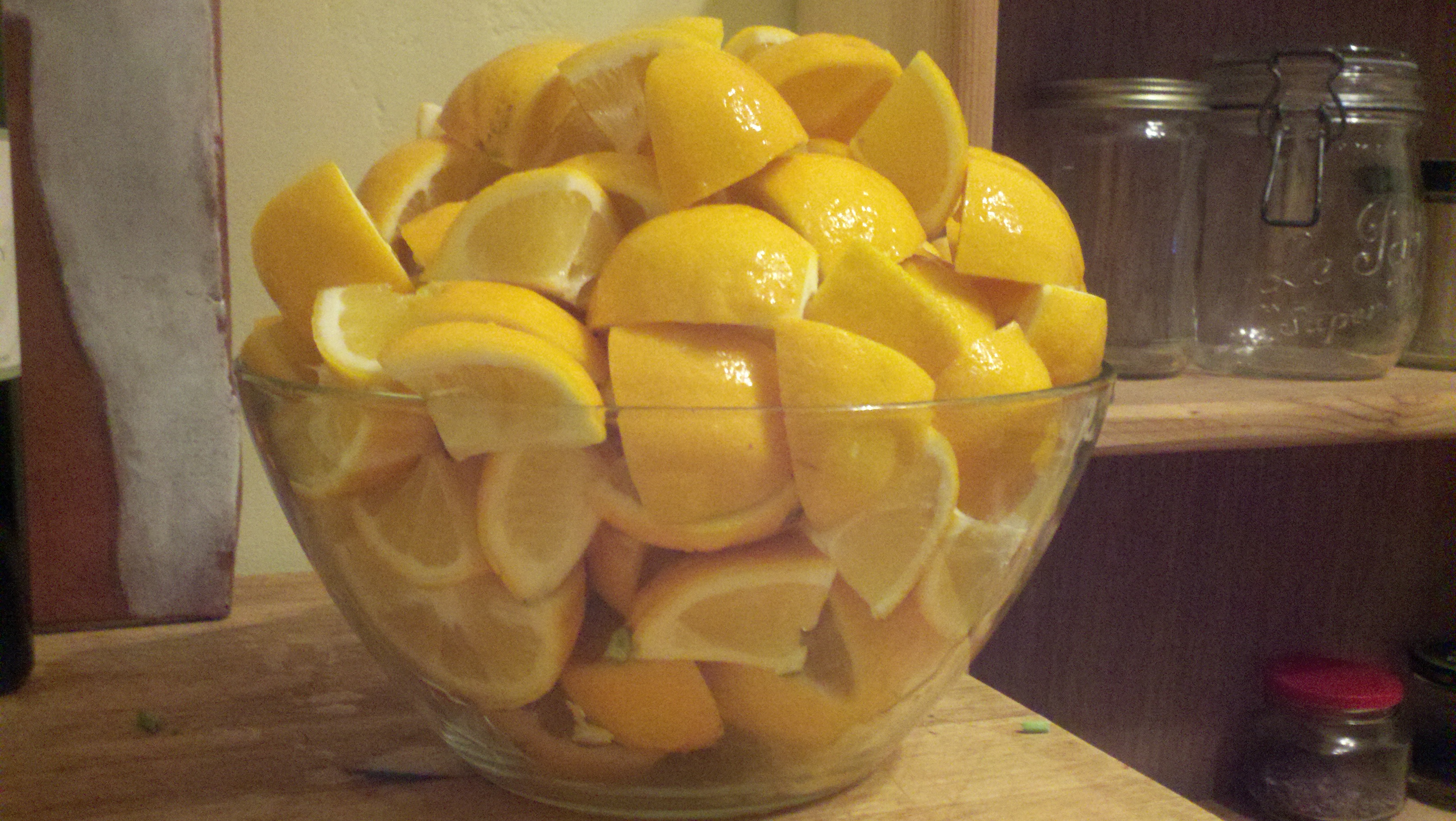
Since last week, I have been obsessed with making lemon meringue pie. I like pie, but I like a lot of other things more. 2013-01-15_22-16-20_225The idea was originally inspired by a box of gorgeous meyer lemons from my dad’s tree and I soon became fixated on making it happen. I set out to source all the other necessary ingredients which included fresh-milled flour from the Mendocino Grain Project, duck eggs from Potter Valley, butter from Boonville, wildflower honey from Lovers Lane Farm in Ukiah, and salt from the sea. I also enlisted the help of my baker friends to figure out how to thicken the filling without your standard thickening agent. Also, I know nothing about real pie crust since I’ve been gluten-free for over four years. My piemaster friend Simon did the real work, but I put in some serious time on the hand-powered egg beater to whip those egg whites to soft peaks. (See full phodocumentation on our Facebook page.) The whole undertaking was a lesson and an experiment in the art of pie – and a successful one at that! But, I realize now that it was about something else.

Pie is much more than it’s aggregate parts, though its parts are noteworthy. 2013-01-22_13-18-22_885Lemon meringue is exceptional for containing three distinct textures, all in one bite. The pie was a brilliant burst of yellow against the starkness of winter. But, ultimately pie is more about feeding the soul. When you have enough butter, eggs and fresh lemon juice and time to make lemon meringue, it is a sign that there is enough in the world. You are not just surviving; you are feasting on the abundance of life. Which is exactly what we’re doing, every day – but, sometimes you have to be licking the bottom of the pie pan to recognize it.

Week 3- the costs of local food

Its week 3, and I feel amazing, you guys. My skin is clear, my hair looks great, and I have all kinds of energy. This rocks. It also takes a lot of time, energy, and maintaining relationships to make this work. It can be exhausting, and a full time job, and I already have a more than full time, exhausting job… but we’re getting into the swing of things.

I was thinking yesterday about the money involved in local food, and organic foods. Partially because I fell asleep to an audiobook of Joel Salatin’s Folks, This Aint Normal, and was listening to him breaking down the higher prices of biodynamic, natural food versus the improvement in nutrients, not to mention the better outcomes for the earth. This is all well and good, but not everyone has the cash for the higher priced food, even though its very true that they are getting way more nutrients for their dollar.

I was also listening to Sarah talk about how our bodies feel on this diet- we are damn pretty right now. And part of what she was saying was we’re eating no filler foods. Everything we eat is a whole food, and though the foods tend to be high calorie, we’re eating less bulk, and more consciously. The result has been a lot of energy and happy cells. This reminded me of when I used to spend about $2 every day on coffee. I would also get busy, stressed, and tired, and grab sushi from Harvest’s counter. I tended to get the avocado roll, which was about $4. Just those occasional expenses add up really fast. Not to mention burritos. Oh god.

Overall, I’m spending way less money on this diet thus far, but its a very different way of interacting with money, and one that isn’t always accessible to people with low incomes (including me) and a lot of what I eat I don’t exchange money for, but other resources.

I’m not buying anything prepared, or packaged, and I’m not buying any filler foods. And almost everything I buy is in bulk, so I pay less per pound. But, on the other hand, I’m spending that money in a chunk, up front, and I haven’t always been able to do that, and neither can a lot of people. One of the most frustrating, eternal things about being poor, is its expensive. I can buy amazing local organic potatoes grown by a friend less than a mile from where I sit right now, for $1.20 per 50# sack. That’s less money than the grocery store, which the last time I checked was selling organic (and not local) potatoes for $1.40 per pound, but I have to have that money all at once, rather than buying a few here and there as needed. So its cheaper, but not possible without strict budgeting. And just not possible at all for some folks.

The way we do it is by budgeting, doing without extras, and by cultivating connections with people. Sarah and I split that 50# sack of potatoes. We go in on cow shares together so we each pay less. We trade off who picks up the week’s fresh dairy. Those of us on the coast with goats are talking about going in together on bulk orders of organic regionally grown grain, so we can access the lower prices of buying in bulk. We trade a lot. There’s a wonderful local woman who sells her eggs at the summer market, and whose hens have just started laying again. There’s a winter market I attend with my produce, but she works on that day, so I brought her eggs for her last week and sold them, and in return she gave me eggs for the week. We do little things like this everyday. But none of this is possible without a lot of trust, and a lot of time spend building those connections. Community is a resource, and its a resource that is less accessible when you’re tired, stressed, or in pain.

A lot of what I do is a vow of poverty, traded off for extreme material indulgence. I’m a total hedonist. A hedonist who works 7 days per week, is always sore, and covered in mud, but still. I love what I do. I love eating this food, and sharing it with other people. I couldn’t afford to buy it if I didn’t grow it, however. And if you priced out something like my goat’s milk, against the countless hours spent building fences, feeding, snuggling, and arranging conjugal visits, I have no idea how high the cost per gallon would work out. But that’s not really why I do it. I do it because its my favorite thing on the planet. But I made that choice, and not everyone can.

I guess what I’m saying is, this is not simple math, and I can’t say so far whether or not what we’re doing is cheaper or more expensive than how most people are eating. Some of what we eat is totally free, in the form of wild kale, mushrooms, and trades, but built into that is the environment that is clean, the time to go find those things, and the physical ability to spend hours walking, bending, standing and cooking. Not everyone has these things. So while I am spending less money on food now, I also have access to a lot that most people don’t.

0112131603b

On the other hand, mass produced food is expensive in many other ways. Malnutrition leads to illness, packaged food is expensive (potato chips cost a lot more per pound than potatoes, though you do need a stove and time to cook) and there are the hidden costs of subsidies and pollution.

I want to be able to say that we can do this as a real viable lifestyle choice for people, not something that is only accessible to the wealthy foodie movement. We are definitely totally broke, and we’re doing it. But the truth is there are so many factors in how people deal with food and money that I can’t make any definitive statement. This works for me. Partially because of my sacrifices, and partially because of my privileges. And while I am absolutely philosophically and politically opposed to the giant food corporations and everything they do, I do not feel the same way about the people who buy their food. If people need or want to buy that kind of food, whether because of their budget, or because they work three jobs and have no time to cook, or because they can’t stand at a stove for an hour, I’m never going to judge them. My issue is with the people creating the abusive system, not the people in it.

This thing we’re doing is at once the most ascetic and most luxurious thing I’ve ever done.

0112131553a

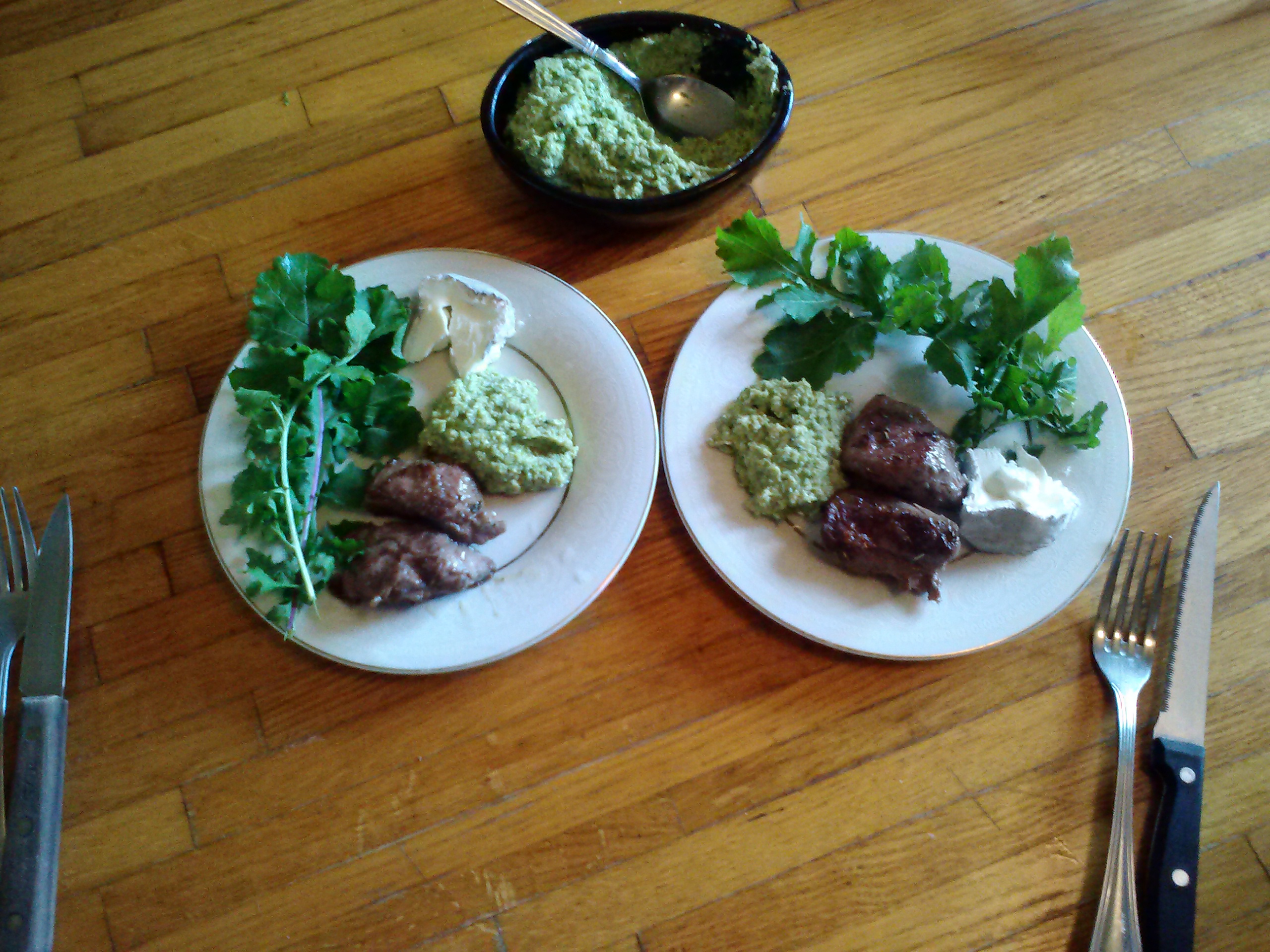
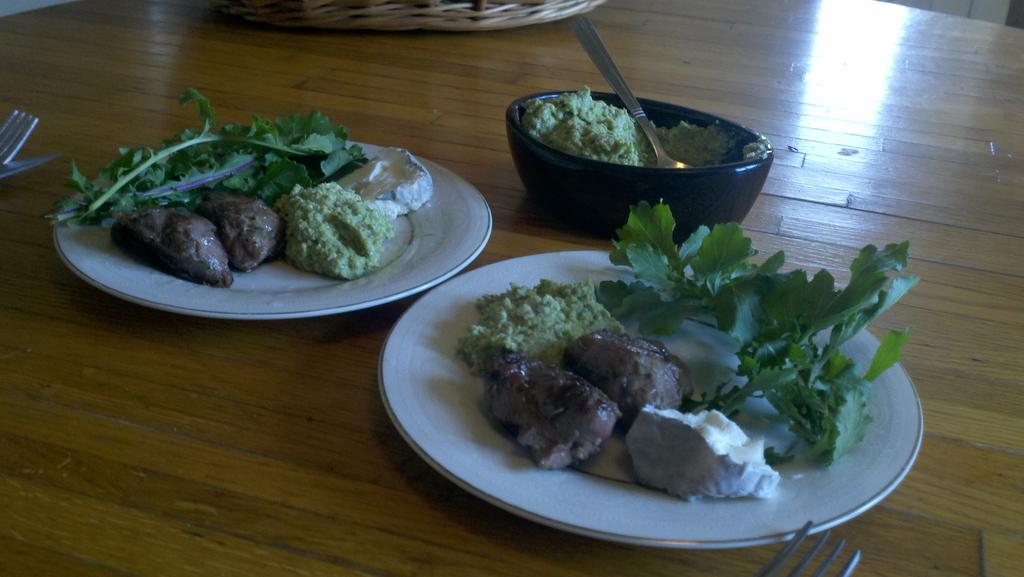
This meal was pretty amazing- it could have easily been in an upscale restaurant. This was seared lamb cheeks, which is a cut taken from the face, as you might expect. Its amazingly tender and delicious. In this country, most of the time the heads of slaughtered animals are discarded, and the meat is wasted, but we’re lucky to have a wonderful friend who is committed to using the whole animal. He gave us these for free. The fresh fava bean hummus came from favas I froze last spring and grew myself. I grew the arugula. We used some fresh butter to sear the lamb, and there’s a slice of local goat cheese Sarah bought on each plate, but aside from that no money was spent. What was spent was a lot of work and time, and human connections.

It might well be true that most Americans spend less on food than those in other countries. I’ve heard that repeated so many times in documentaries promoting local food, said with a certain amount of scorn- criticizing Americans as fat, entitled lazy people who don’t know what’s good for them. Its always deeply irritated me. A lot of people aren’t educated about food, sure, but the solution isn’t as easy as suggesting everyone start eating at Chez Panisse. As much as I’m completely enjoying submersing myself in local food, I’m also doing my best to keep very aware of how lucky we are to have this chance, and to think about how we could make what we’re doing accessible to more people. I truly believe that small, local farms are the way to feed people, and I truly believe that we can all do this, wherever we are. Detroit is an amazing example of how inner city land can become used for food production, and in Chicago Will Allen is saving the world, and possibly all our souls, with Growing Power.

Its a work in progress, but I see encouraging things everywhere. The new law passed in California that allows the sale of some products made in home kitchens, (though of course not yet milk or meat) is a really good sign. Vibrant local markets, even in winter, are a great sign. Our local senior center both growing produce in their own garden, and in the space we donate on my farm, and gleaning at the end of market so that seniors can have healthy food, is a great sign.

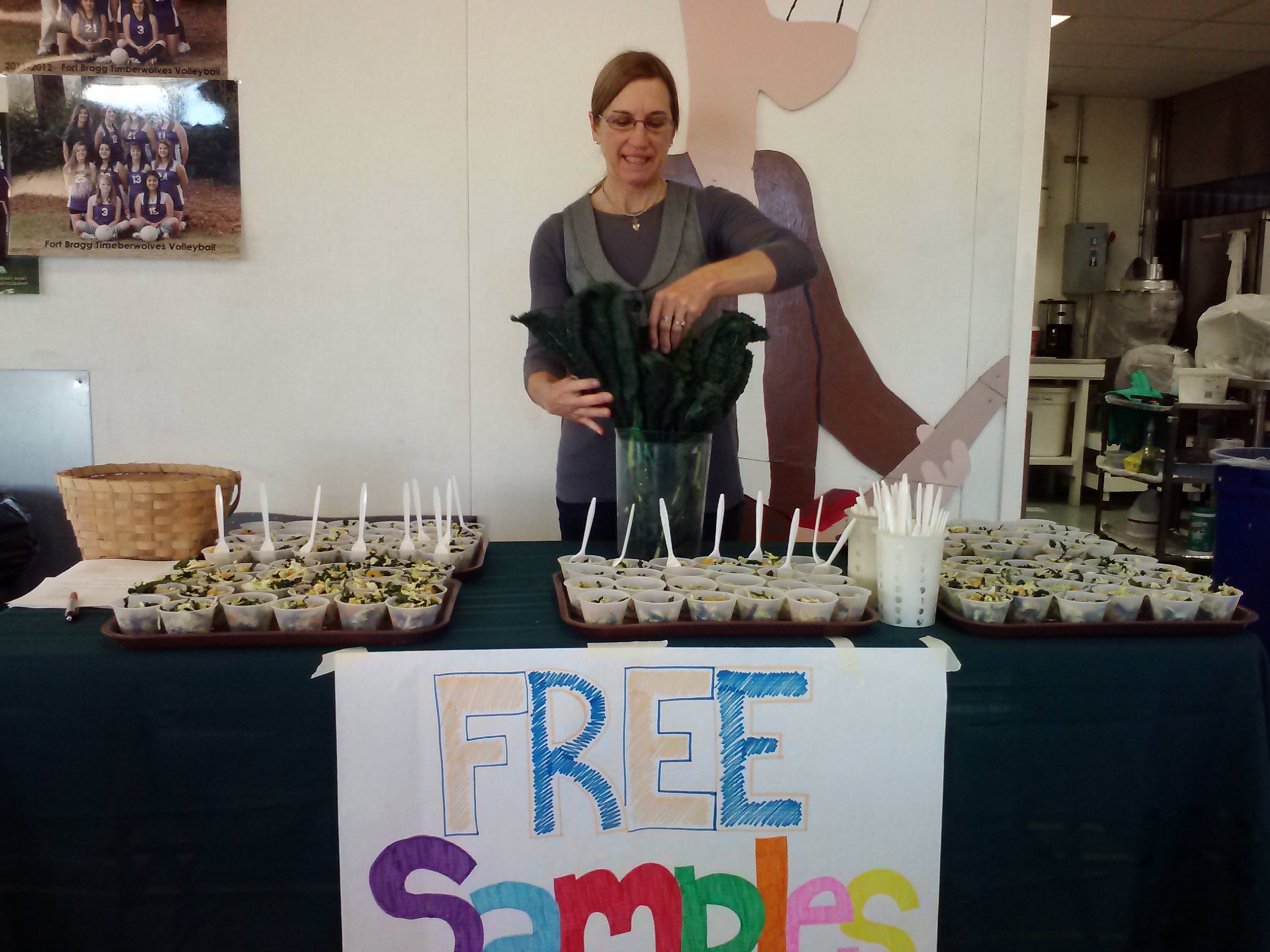
Food deserts are real, and hunger in America, both from lack of food altogether and from malnutrition from poor quality food, are a huge problem. I love that my job is to grow organic food to feed kids. We need a lot more people doing this job. The knowledge exists, the land exists. School districts like ours can be used as a template for how others could work with local farms too.

0117131121c
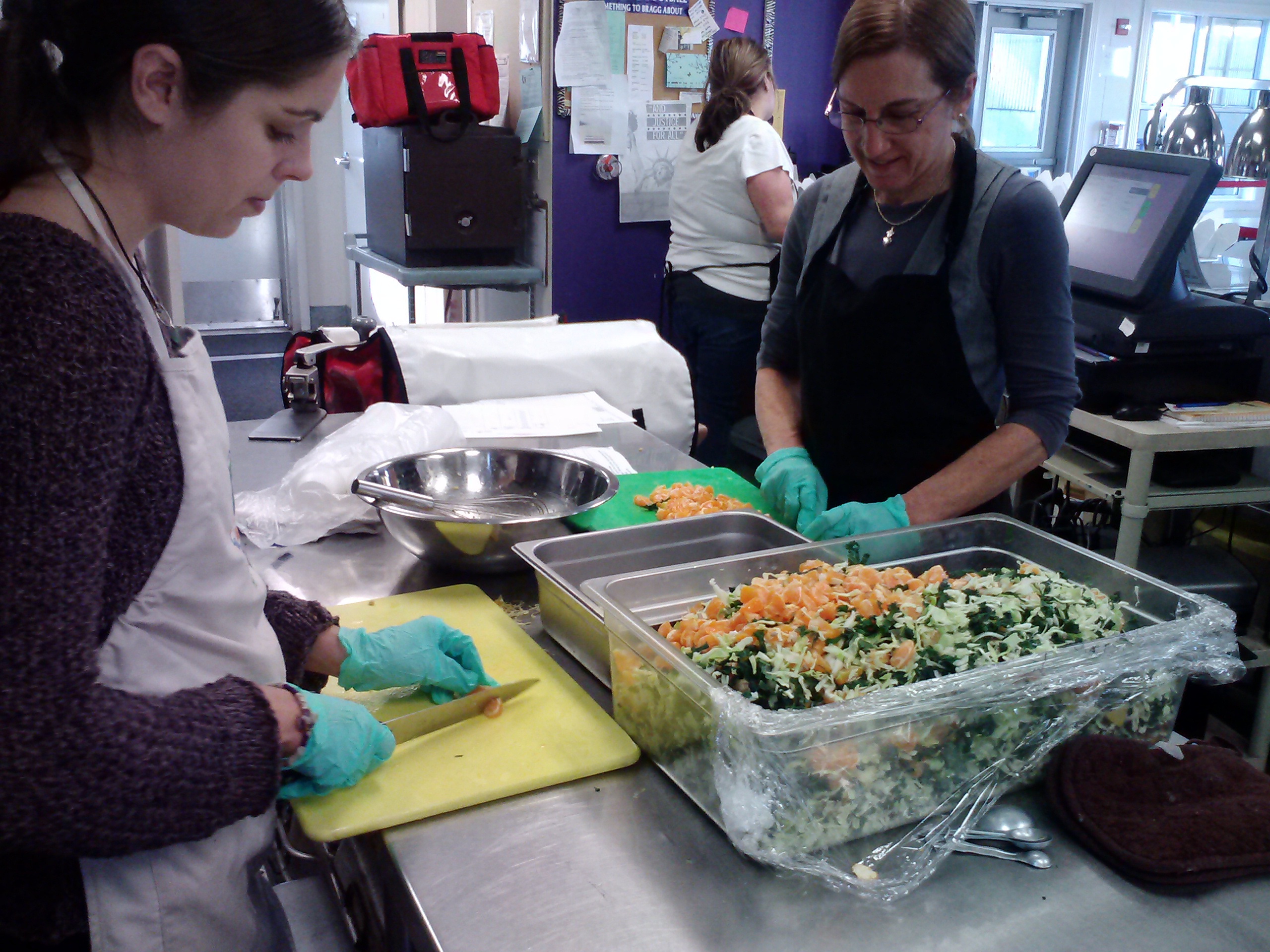
From a taste-testing of kale salad we did yesterday at the High School.
0117131206a
The kids liked it!

As messy and meandering as all these thoughts are, hopefully we’re coming to something positive.

Loves,

-Gowan
Resolutions

We are approaching the two week mark of eating, drinking and breathing local, and we are very much alive and well-fed. Please don’t think that we have forgotten about our dear readers/followers/skeptics during the kickoff of the big project. We think of you often. The days are just packed; we are in a constant flow of finding and processing food, cooking, cleaning up and doing it all again. Time is marked by the movement and consumption of food, and somehow everything else has to fit in around it. It can be very difficult to formulate complete sentences at the end of the day.

The topic of resolutions is ripe at this time of year. Some may consider this project the ultimate New Year’s Resolution. I don’t see it that way. Probably because I think that most NY Resolutions fail. Also, because this is so much bigger than a single action or intention. It’s nothing less than a New Way of Life. In the last two weeks, I have identified many sub-projects that require much resolve and will be essential to the success of this wild endeavor. I am sure this list will keep growing.

  • Project find local food: This is particularly challenging in the middle of winter and requires much resourcefulness and networking and sometimes requires emergency 300 mile treks for a dozen duck eggs. We are getting better at this every day and with the help of many friends, local food is also finding us.
  • Project endless dishwashing: Every meal renders my tiny kitchen basically unusable. In less than 2 weeks I have completely conquered my dishwashing allergy, with the help of iTunes shuffle on max volume. My friends do not recognize my kitchen.
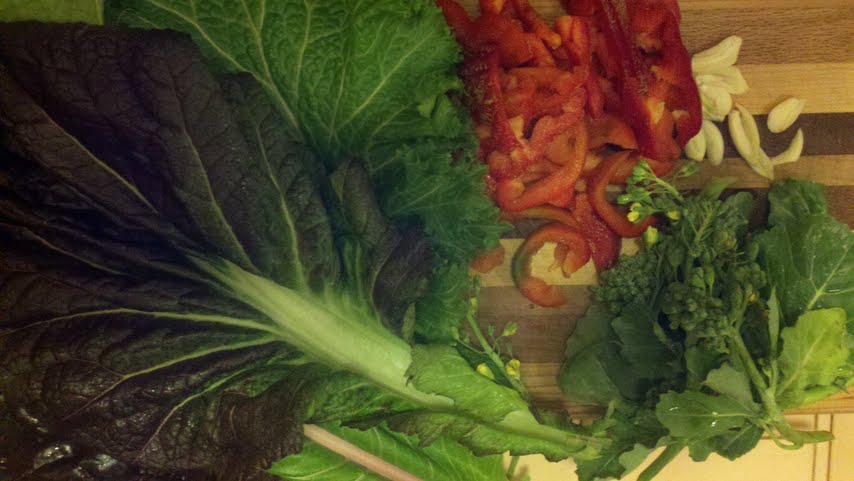
  • Project cook every day: Preparing everything from scratch is one of the biggest changes – nothing comes from a package, can or box. And there is no such thing as “eating out.” I now travel with a cooler, a mobile pantry and a sharp knife. Huge perk: leftovers. veggiestirfry
  • Project forage/wildcraft: Food is all around us and we have so much to learn about identifying and harvesting wild edibles.
  • Project don’t be a hermit: I could blame it on winter hibernation, but I tend to like having space and time alone. This project has thrust us out in the world, needing to make new connections, spend time getting to know others. We are going to make a lot of new friends.
  • Project think ahead: We have to know what the next meal will be before we get hungry. My new favorite appliance is the crock pot.
  • Project ask for help: Often. We are entering foreign realms like how to cook parts of animals we’ve never seen before and how to cook with seawater. We Google things every day. And we are going to be calling our moms a lot. We will also surely ask for your help. We are already humbled by the gifts and kind gestures we have received.
  • Project learn how to do a bunch of new (sometimes scary) stuff: Like fishing, kayaking, and killing animals.
  • Project inconvenient: This project defies the American standard of convenience, ease and efficiency – and it’s a daily challenge. We must do it every single day even when we’re tired, stressed, heartbroken, menstruating or just don’t want to. Another reason why not being a hermit is good – it’s really nice to cook and eat with others on the days where you are the little engine that cannot.
  • Project diversify: Variety is essential in terms of what we’re eating, and where we can get it. Food fatigue has already set in and we must keep the colors and flavors of our meals varied. This is a challenge in the middle of winter with limited options, but we are getting creative. And we are especially grateful for the farmers’ markets and grocery stores that source local products.
  • Project carb load: Within the first week I had begun to drop weight. Getting plenty of protein, veggies and nutrients, but I had to increase the mashed potatoes ratio in my diet. No complaints about that – especially when swimming in fresh milk, butter and sea salt.
  • Project ‘This might be totally gross’: gourmetlunchI started this guerrilla cooking “show” years ago with my roommate when we went gluten-free. Now we’re taking it to a whole new level. Sometimes it really is (of note, a particularly bland Soviet-style cabbage potato soup in Week 1), and you eat it anyway. Sometimes is is also totally delicious – like yesterday’s gourmet afternoon meal of seared lamb cheeks with fava bean hummus, goat brie and arugula. Best meal of the year so far!
  • Project increase access to local food: This has become a primary goal of mine. So many people are amazed when we tell them how many products are available locally – if you know where to find them. I hope that we can help connect the dots and improve access to local food so that more people can do what we’re doing with greater ease and convenience.

And, finally, Project WRITE. Sharing our experience is just as important to us as doing it. Last night, we set a new resolution: we will each be blogging 2-3 times a week for the rest of the year. We are truly excited that our blog already has a following, and we look forward to having you along on this journey.

Week one- foraging for mushrooms

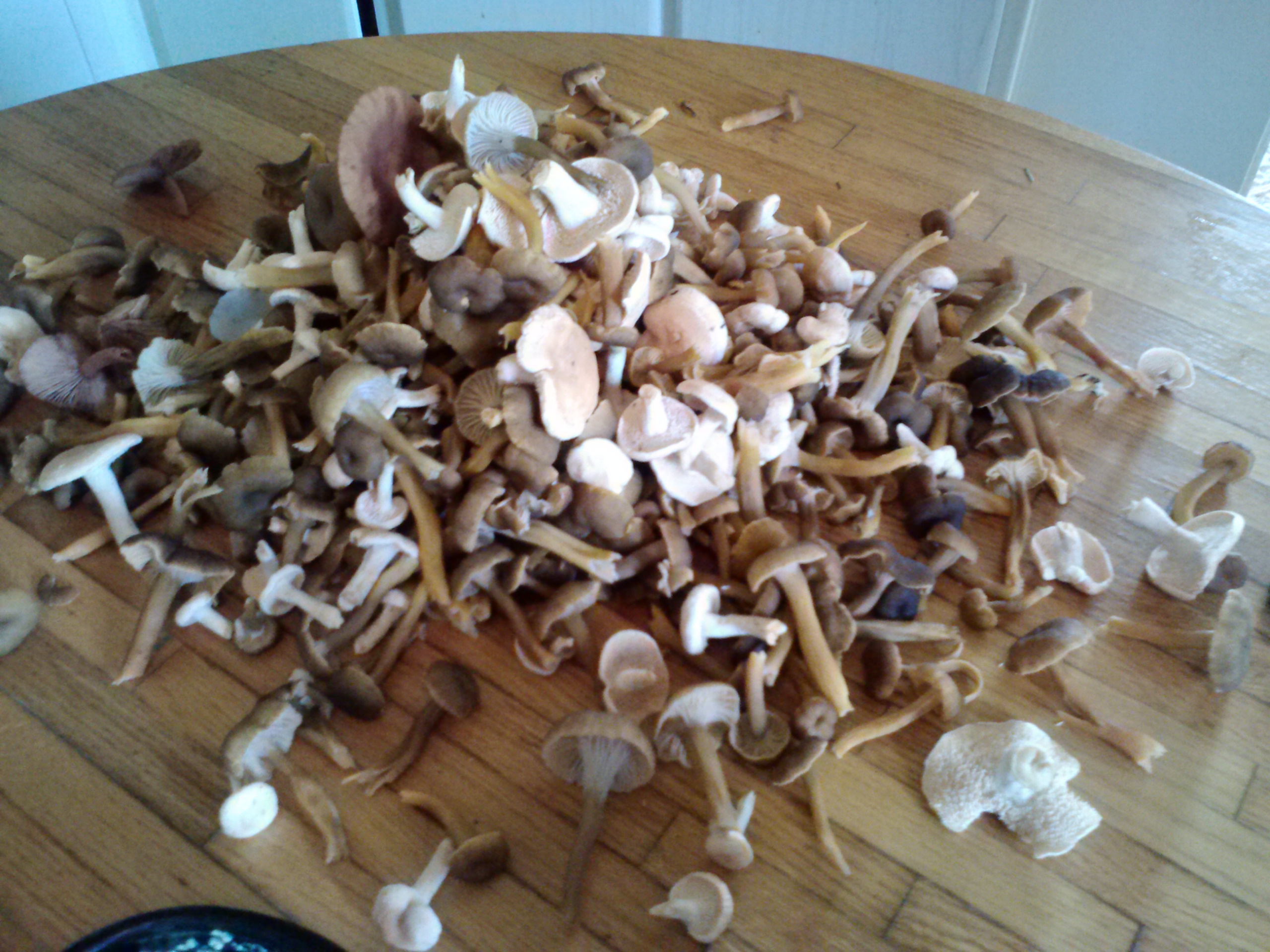
This week we’ve gone on mushrooms walks almost every day.

Sarah standing on a steep path surrounded by ferns and trees
In the forest it feels full of light, but in pictures it shows exactly how dim it is under the trees.

Around the holidays, the schools have been out on vacation, which has meant the kids have a lot of free time. So my Community Service kids, who have been assigned work hours with me by the court, have been doing long days. I’v been going straight from working with them to stepping into the cool, dim redwood forests.

Its been an amazing and nourishing transition. I’m usually physically and emotionally exhausted after our work sessions, and the last thing I want to do is go back out and do something else physical, but in this first week, when scheduling our food sourcing, managing our lives, adjusting to the new requirements of feeding ourselves, foraging has been a break from the chaos and an immediately, viscerally satisfying way to feed ourselves.

a pile of various mushrooms and redwood sorrel on a table
Hedgehogs, candycaps, and redwood sorrel for salads and tea

Mushrooms are amazing. Plenty of people know far more about them than I ever will, but the little I’ve glimpsed into their world never ceases to fascinate me. They are so varied and beautiful, and full of strange secrets and an odd sense of humor. Candycaps taste and smell like maple syrup, and have the surprising side effect of making your sweat smell strongly like maple syrup for a couple days after eating them. Jellytongues, which like their relatives the hedgehogs can be eaten fresh, are clear, which means they fill up with light and seem to glow. They taste exactly like an unsweetened gummy bear and are amazingly, active against some cancers. We’ve been preserving them in honey.

jelly tongues on a stick!
They’re like teeny glow worms
Sarah with a jelly tongue held in front of her mouth like a tongue!
…They sorta look like tongues.

One of the many amazing things about foraging is just how much food there is, everywhere you look, and all in its own season. Mushrooms everywhere. Fiddleheads, huckleberries along every path, redwood sorrel growing underfoot. And how the skills to know what is edible and what isn’t, and to walk along, talking about our lives and gathering the bounty, is what our species has spent the last several thousand years depending on for survival. Its innate to us as humans, written in every one of our cells. And so it fits us like a glove, once we get our eyes on, get familiar, and learn to notice things.

Mushrooms can be scary to some people- there’s so much to learn! And some are poisonous, for sure.

false chantarelles in bracken
Beautiful, but not edible.

And, like above, some mushrooms that are very much not food sometimes look like those that are. You have to learn to pay attention. But, we are literally built for that task.

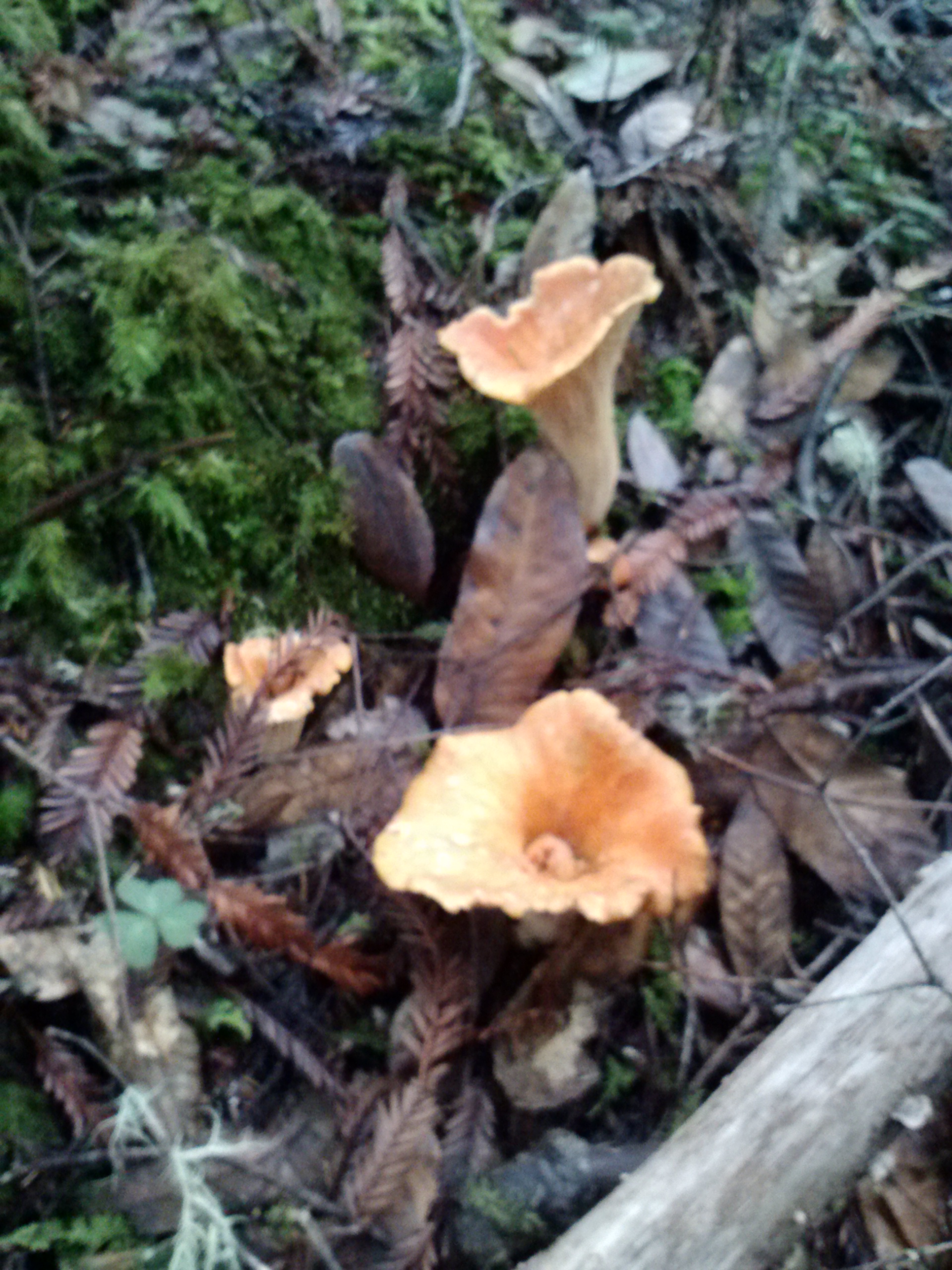
Mushrooms gave us an amazing lesson this week- we had been seeing these long, button like mushrooms coming up everywhere in huge flushes. I recognized them, they jogged something powerfully in the back of my head, but I wasn’t sure if it was because they were edible or because they weren’t. Sarah had the same reaction. After seeing them everywhere for a couple days, (days we spent walking and trying to figure out the logistics of sourcing food) Sarah couldn’t stand it anymore, harvested some in our separate bag we keep for non-edibles, took them home and carefully ID’d them. They are a member of the chanterelle family, winter chanterelles. And they are delicious. Mushrooms reminded us that there is bounty everywhere, we just have to stop, look closely, rely on those who know more than we do, and access what is there. Or we can end up walking through teeming abundance and not recognize it.

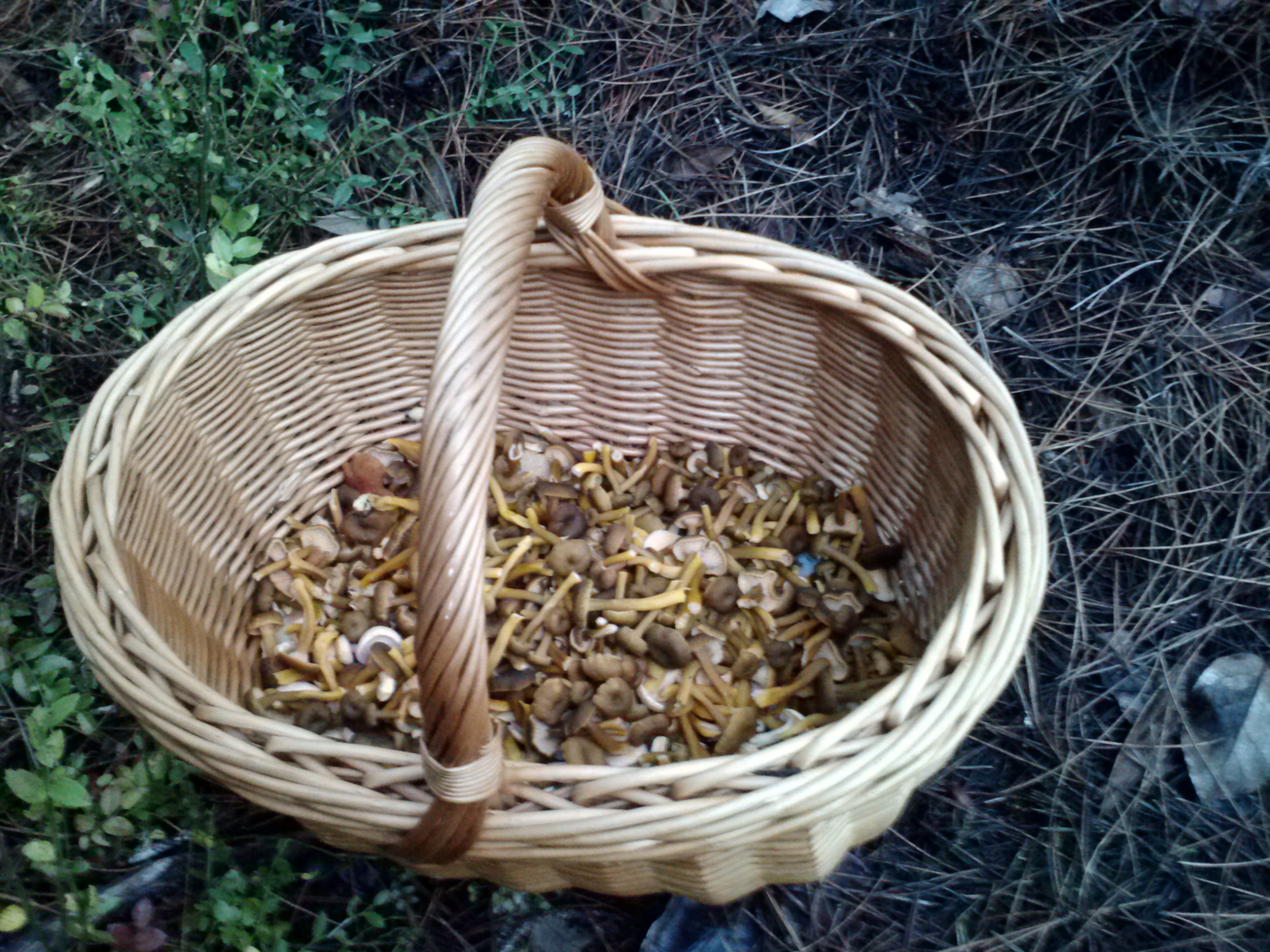
a basket of winter chanterelles
Nourishment.


 that keep on giving
Gifts that keep on giving

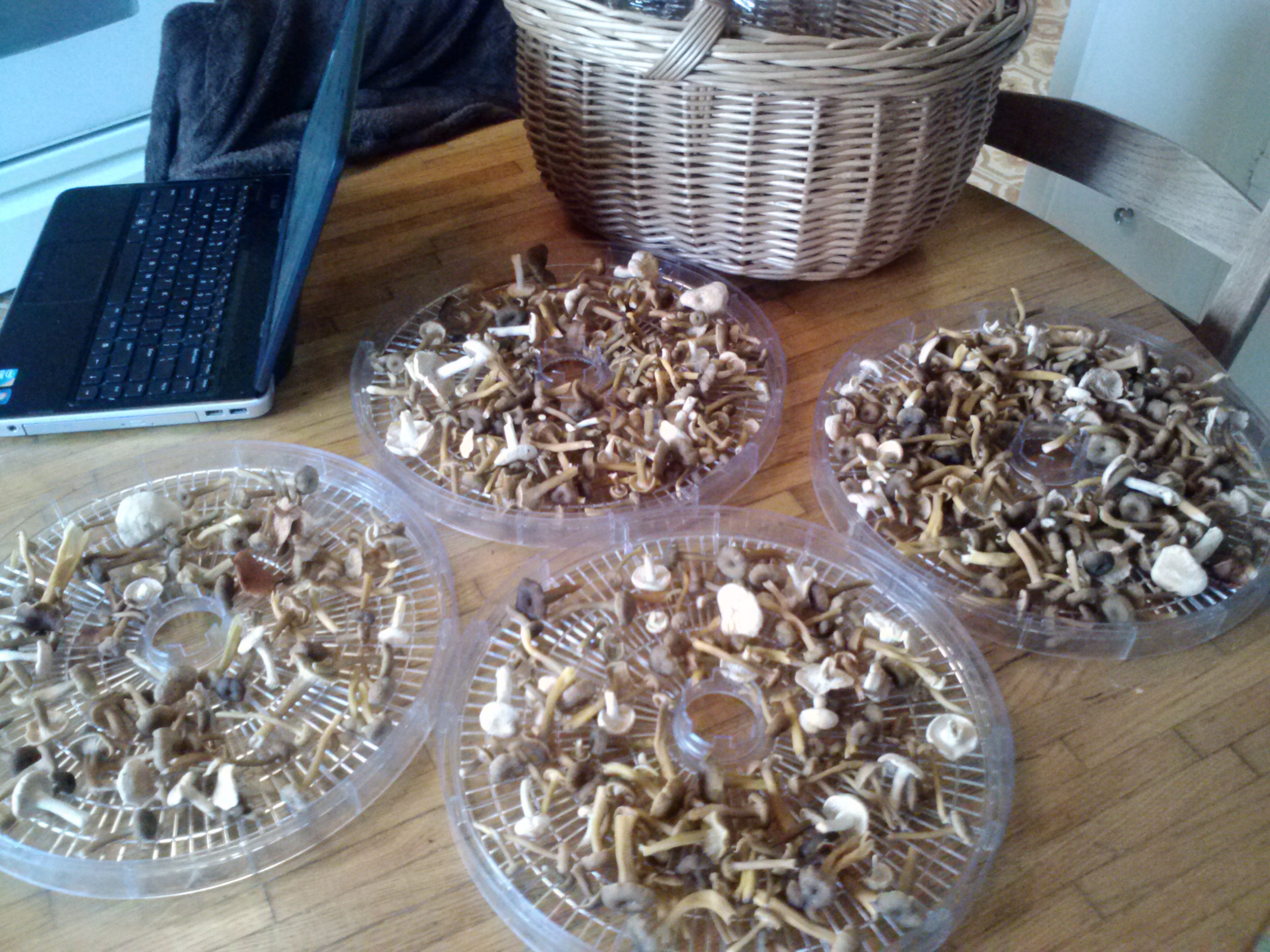
Dried and powdered candycaps make amazing lattes, dried hedgehogs and winter chantrelles will add body to soups and make gravy all year long, and now while they’re here, we eat them fresh every day.

In the midst of the cold and the short days, when farming can be frustrating, its nice to know that seasonality isn’t really about bingeing and purging- a summer of feasting and then a lean period where the goats don’t give milk, the hens don’t lay, and there are no tomatoes in the entire world. If we’re careful and observant, it’s a cycle of food. There’s a lot out here, and we can absolutely make it.

Loves,

-Gowan
The Kid Speaks

I’m surrounded by food.
Without even turning my head I can see a variety of tomatoes, peppers, eggplant, dried beans in Mason jars, potatoes, honey, pickled things, greens, onion chips, a squash, garlic, and a box of wild mushrooms.
In the drawers there’s even more garlic, more dried beans, another potato, onions, more squash, and dried peppers.
I’m not even going to open the fridge, and if I went into Gowan’s room I’m pretty sure I’d find bunches of kale hanging in her closet like bats.
Now, I’ve become accustomed to being buried in food like this, but not so long ago my sustenance options were drastically different.
Where I lived before, the only produce I ever really saw were store bought apples, some potatoes, the occasional bell pepper or cucumber, maybe a head of iceberg lettuce, and a banana or two for some variety.
The rest of my diet consisted mainly of a lot of rice…
Honestly, I’m having trouble remembering what other kind of food units were kept there, however, I’m sure they were things like Rice-A-Roni, Shake’NBake and canned soup.
While living there I was cranky, constantly tired, unmotivated, and overall unhappy, which I’m sure had something to do with the company I was in, and a lot to do with the food I was eating.
Since I moved in with Gowan, I’ve had a steady supply of love, kale and dog drool (all of which are good for the complexion, lemme tell ya.)
Seriously though, the radical changes in environment and diet have wrought some noticeable differences in my morale and behavior.
Before I’d look at kale like it was a calculus problem, and now I’m look “Oooh! Let’s put that shit in PASTA!”
If someone handed me a food I’ve never had, I probably would have tried to avoid eating it, but now I’d bite into it without hesitation.
My skin’s gotten clearer, I can focus more easily, I feel alert within five or so minutes of waking up, I have more energy…
I know that last sentence sounded like a promotion for Five Hour Energy, but if I’m promoting anything, it’d be kale.
Kale, kale, kale.
Also, my ability to keep my mouth shut and play nice with others has, well, come into existence.
Yeah, before I really wasn’t good at that.
Anyway, my entire point here is that that green stuff that grows from the ground, and all of the fantastic people and animals that come with it, have made a hugely positive impact on every part of me, from the way my body feels to the way I look at life.
I’ve never been so thankful for vegetables.


Start where you are

We are two days away from the New Year and I am relatively unprepared. The last two weeks have given me just enough time to clean out my pantry  and binge on a bunch of things that I don’t normally eat anyway, just for the sake of it. In between ice cream sundaes, corn chips and bananas with peanut butter, I have been doing mental pushups to get ready for the year ahead because it’s too late to do all the things I wish I had done months ago. It is most inconvenient to start a project like this in the middle of winter. But, I’ve got daffodils blooming in my front yard right now and a lot of other things are growing right now, too. Still, I cannot help regretting all of the summer & fall fruits and roots that I have not stored or fermented, all the mushrooms I have not picked & dried, and the salt that I have not been collecting. Oh, god. Salt. It’s going to be like gold this year.

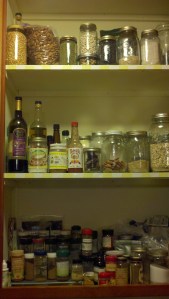
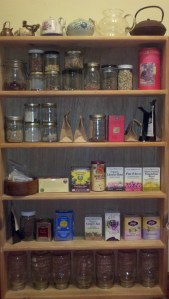
Sarah's pantrySarah's Tea Collection

I snapped these pictures of my well-stocked cupboard and beloved tea collection before I gave everything away for Christmas. As I empty my shelves and my refrigerator, I am acutely aware of all that we could have done. But the truth is, I’m not worried. No matter how much we prep, we are never ready for the unpredictability of life. There are always a million reasons not to do something, and more time doesn’t mean I would ever feel that I had done enough. To me it all comes down to the simple fact that we have to start where we are, with what we have.

“You cannot manifest what you want. You can only manifest what you already have.” – Eckhart Tolle

When I heard this the other day, I felt it in my bones. I know that we already have everything we need. In the coming year, we will make visible the abundance that already exists. All of the pieces are here, and there is no place for fear.

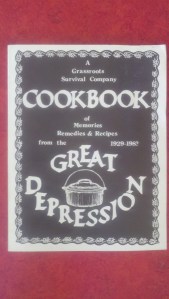
The Great Depression Cookbook
Recipes for acorn cookies to fried squirrel, plus instructions on “things to do if you don’t want to get hired.”

I keep this in mind as I look around my cozy little apartment and take inventory of what I do have: an impossible kitchen that is no larger than two bathtubs, a jillion mason jars of various sizes, two crock pots, two Cuisinarts, a Champion juicer and a VitaMix blender and a bunch of “homesteady” cookbooks. I have cheesecloth, a bunch of freezer storage bags, sprouting screens and a big jug for storing fresh water that I collect from a local spring. I also have a pathological distaste for washing dishes, which I will have to conquer this year.

I look outside and I find myself in one of the most magnificent places in the world. I look at the Pacific Ocean from my window, and I trust that she will feed us. I am going to have to establish a better relationship with her first. I love walking on the beach, harvesting shells and driftwood and seaweed and watching the waves change color, but I have a thing about cold water, and so does Gowan. I told her that we need to begin this year with a symbolic polar bear swim, as sort of a peace offering. As soon as the winter waves calm down, we’re plunging. Also, we need wetsuits.

We are surrounded by the forest, and we have rivers, mountains, valleys and lakes. We also have shovels and lot of chutzpah. We live in an incredibly biodiverse region which has historically produced enough food to be food-secure, and still could. We live in an GMO-free county, with a number of inspired farmers and ranchers – young and young at heart – who know how to do this. We have plenty.

Last night while we were making dinner with the mushrooms we foraged, two friends surprised us with gifts of blackberry honey wine, perfectly ripened persimmons and roasted bay nuts and… sea salt! This is how the pantry will be filled – little by little, day by day, with the help of others. The land alone is not enough. And I know that this is not “our” project; we’re just doing one little piece. The great mycelium that connects us all is what will make this possible – and our survival literally depends on you. And you. And you. So, get ready to learn/cook/laugh with us!